

A new chapter for nursing at Acadia: BScN program transitions to independent status this fall
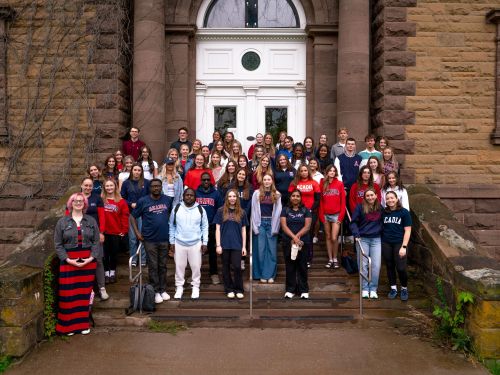
“This is a huge undertaking and a big step for Acadia,” says Cassel Busse, Director of Acadia’s new School of Nursing.
After three years of hosting satellite students for Cape Breton University’s Nursing program, this September marks the first term of Acadia’s independently administered School of Nursing.
“I am incredibly excited to see Acadia’s School of Nursing begin this important new chapter,” says Dr. Ashlee Cunsolo, Provost & Vice-President Academic. “This program is essential to the health and well-being of our region, not only in educating outstanding nurses, but in helping to build the connections and opportunities that will encourage highly skilled healthcare professionals to stay and build their careers here.”
Along with the increased numbers of nurses that the program will bring to the Annapolis Valley, the program will strengthen connections between healthcare facilities and the future nurses who will work there, ensuring that their training accurately reflects the needs of our community.
The team leading Acadia’s School of Nursing conducts regular meetings and site visits to their hospital partners to hear from them about what works best, and how they can support Acadia’s students and future healthcare providers together.
“Our faculty also have connections to healthcare centres across Nova Scotia,” says Cassel, “which strengthens our School’s relationships and improves the quality of education—and therefore quality of our grads.”
With full responsibility for the delivery of their own program, the School is also in the process of developing a new program curriculum in collaboration with the Office of L’nu Nursing, set to launch in 2027.
“For the first time, Mi'kmaw people are at the table to co-design and co-develop a Baccalaureate Nursing Program at its inception,” says Julie Francis, Director of the Office of L’nu Nursing.
“We are excited to be part of this journey with Acadia's School of Nursing. The respectful and collaborative approach to developing a nursing program helps ensure Mi'kmaw and Indigenous health needs are included in the program, curriculum and clinical experience. We look forward to celebrating the success of the Acadia School of Nursing and its graduates.”
Cassel says the partnership with the Office of L’nu Nursing “advances Truth and Reconciliation by ensuring that curriculum, clinical learning, and governance are co-developed with Indigenous leadership, knowledge holders, and communities.”
“Our program is focused on producing the nursing leaders of tomorrow — leaders in nursing ethics, cultural safety, advanced skills, and community health and wellness.”
Dr. Cunsolo adds that “Acadia is leading the way in innovative nursing education, and is developing a curriculum that responds to the changing needs of our communities and prepares the next generation of nurses to be compassionate, skilled, and visionary leaders in healthcare. My sincerest congratulations to the team for all they have done to reach this important milestone.”
Nursing education, like all healthcare, says Cassel, is a team effort. “We are fortunate to have so many engaged and passionate members of our Acadia and community team, and we are so grateful for everyone at Cape Breton University who started us on this journey and got us to the finish line!”