

Meet The Acadia Counselling Centre Team
Seeking support for your mental health is a vulnerable experience. It might feel especially vulnerable if it’s your first time seeing a new therapist, attending a group counselling session, or going to a mental health-based community building activity.
The goal of counselling, though, is to help you feel empowered, confident, and capable of tackling life’s problems. It can help to know who you’ll be sitting across from before you walk in the room—or open the virtual meeting link.
While the staff at the Counselling Centre work together to support the well-being of Acadia students, they each have unique roles designed to address mental health concerns in different ways (after all, everyone's needs are different and aren’t all met with one-on-one therapy).
To learn more about their roles and to break the ice—and to celebrate World Mental Health Day—we’re sharing a series to introduce you to the team at the Acadia Counselling Centre.
Starting us off is a Q&A with two members of the team. Follow along next week for another installment in the series!
Meet Christina Murphy, Clinical Therapist (MEd, RCT-C)

Q: How would you describe your counselling practice?
A: My approach to counselling is client-centred, trauma-informed, and grounded in harm reduction principles. I strive to create a collaborative and supportive environment where students feel safe to explore their experiences, reconnect with their values, and move forward with greater self-awareness and confidence.
I work with students navigating a wide range of concerns, including anxiety, neurodivergence, identity exploration, relationship challenges, and significant life transitions. My practice is primarily informed by Acceptance and Commitment Therapy (ACT) and Polyvagal Theory, which guide my work in helping students better understand their nervous system responses and develop practical coping strategies.
Above all, I aim to meet students where they are, recognizing their unique strengths and experiences, and supporting them in creating meaningful and sustainable change in their lives.
Q: What do you love most about the job?
A: My favourite part of this work is having the opportunity to support students as they discover their own answers and identify a path forward that feels meaningful to them.
It’s incredibly rewarding to witness the moments when students begin to see themselves differently, whether that’s through shifts in perspective, more compassionate self-talk, increased confidence, or stronger emotional regulation skills. Seeing students recognize their own strengths and capacity for growth is something I never take for granted. Being invited into that process is both a privilege and one of the most meaningful aspects of my work.
Q: What's one piece of mental health advice you would give to every student?
A: I think it would be a play on the internet phrase “touch grass.” While it’s often used jokingly, there’s actually a lot of wisdom behind it. We spend so much of our time moving from one screen to another and constantly engaging with high levels of stimulation that many of us have become disconnected from stillness and the present moment.
My message would be to intentionally create opportunities to slow down and reconnect with yourself, with others, and with your environment. That might look like sitting outside, going for a walk, spending time in nature, or having a conversation with a friend without phones or other distractions.
In counselling, we often talk about the importance of being present, and I think many people underestimate how powerful that can be. Even small moments of slowing down and engaging with the world around us can have a meaningful impact on our mental health, stress levels, and overall wellbeing.
Q: Where do you feel most at home on Acadia's campus?
A: Probably in the Acadia Woodland Trails. It feels so magical that this piece of nature and calmness is nestled within the hustle and bustle of a University campus. It is nice to be able to slow down for a moment and take a walk through the trails to reconnect with yourself.
Q: What is your favourite thing to do outside of work?
A: My favourite thing to do outside of work this time of year is to be outside with my two dogs (Dory and Phoebe), often going camping, swimming, or simply sitting on our front porch! On the colder days you can find me curled up on the couch with a craft and a true crime documentary!
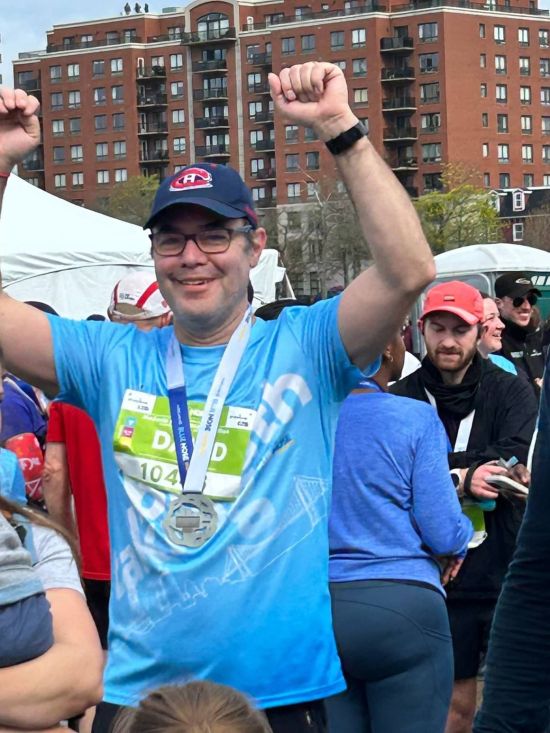
Meet David MacPhee, Case Manager and Intake Coordinator (MSW, RSW)
Q: How would you describe your counselling practice?
A: Although I am a clinical therapist, my role differs from traditional counselling. As a case manager, I support students who are experiencing complex mental health challenges or other circumstances affecting their well-being by helping them connect with appropriate resources and services, both on campus and in the community.
I also coordinate the Care Team. The Care Team receives referrals from faculty and staff when there are concerns that a student may be experiencing distress or could benefit from additional support. The team includes representatives from Student Services, Residence Life, Safety and Security, Student Conduct, and the Sexual Violence Coordinator's office.
When a student is referred, my role is to meet with them, understand their situation, and work collaboratively to develop an individualized support plan. I provide ongoing guidance and help connect students with the resources that best meet their needs.
The Care Team's approach is supportive and non-disciplinary. Its purpose is to ensure that students who may be struggling have access to support, resources, and assistance in navigating available options for their well-being and success.
Q: What do you love most about the job?
A: I love helping students connect to resources and skills that move them toward a more helpful version of themselves.
Q: What's one piece of mental health advice you would give to every student?
A: Most of mental health is noticing and identifying the things, people, and experiences you actually want to see more of in your life and to move toward that.
Q: Where do you feel most at home on Acadia's campus?
A: The Harriet Irving Botanical Gardens.
Q: What is your favourite thing to do outside of work?
A: Spend time with my family.
Book your session
Book your counselling session online and come to your appointment at the new Counselling Centre location in Dennis House, at 22 Horton Ave Westside Entrance, in the Student Health Centre.
The Counselling Centre is open to all current students of Acadia. This means as long as you are registered for classes or even if you’re on leave from classes but are a registered student, you have access to the Counselling Centre.