

Celebrating Indigenous Honorary Doctorates
As we celebrate our graduating students at Convocation each spring, we also take that time to recognize a few outstanding individuals who have made incredible contributions to society.
In conferring Honourary Doctorates, we recognize the achievements of those who have demonstrated a commitment to knowledge, justice, community, the arts, and sport through their work and lives.
Over the years, recipients of Honourary degrees from Acadia have included leaders from Indigenous communities who have made an impact in their fields and communities.
As part of our Mi'kmaq History Month series, we're highlight the incredible work of the Indigenous Hon Docs we've been honoured to welcome into the Acadia community.
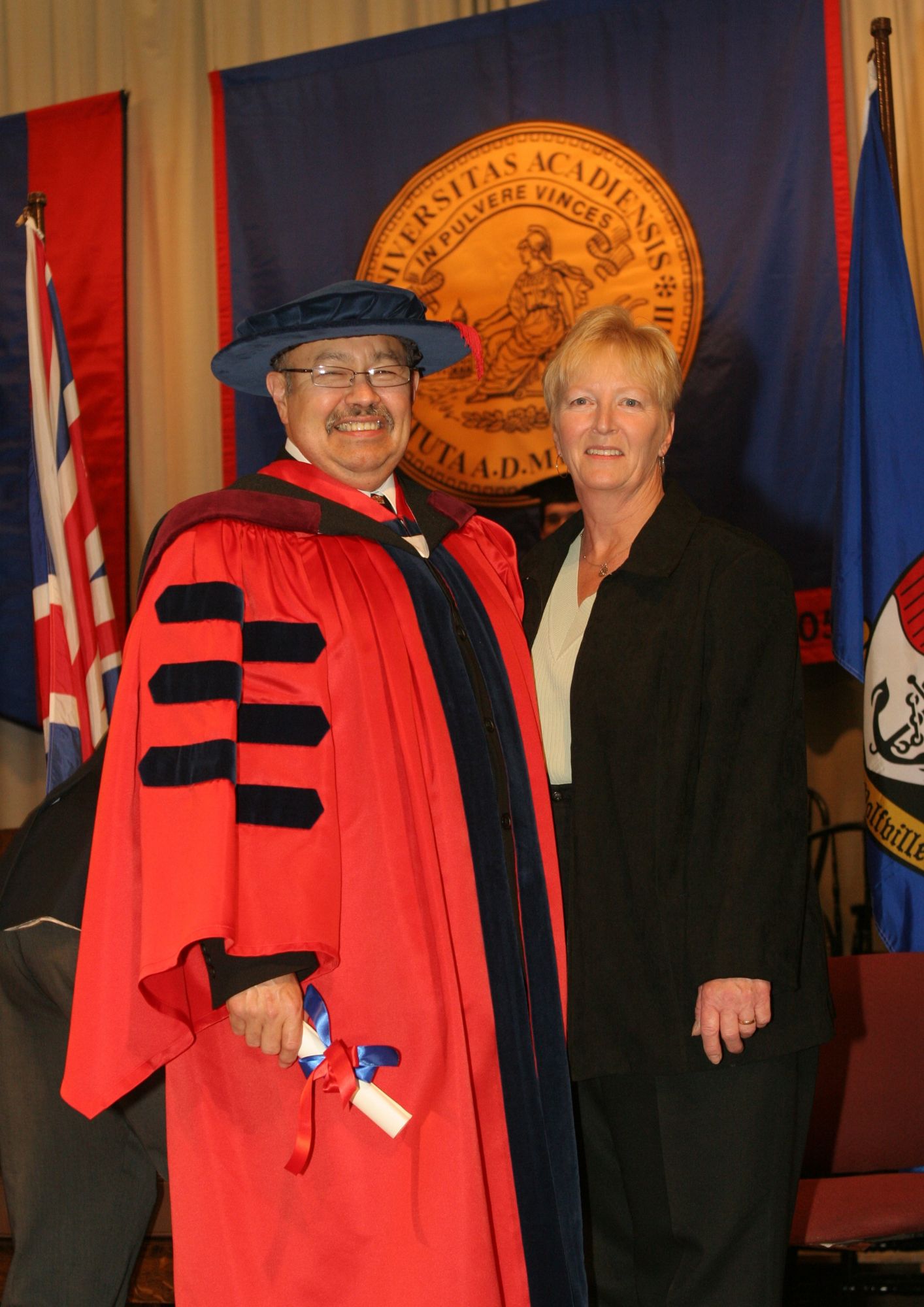
Elder Donald Julien ('05)
Dr. Donald Julien, Executive Director of The Confederacy of Mainland Mi’kmaq for 28 years, is a respected Mi’kmaw historian, human rights advocate, and peacekeeping veteran. With over 40 years dedicated to researching and sharing Mi’kmaw history, he has been recognized as a Member of both the Order of Canada and the Order of Nova Scotia, and holds honorary degrees from Acadia University and Mount Saint Vincent University. A former UN peacekeeper in Cyprus, Dr. Julien continues to advise the RCMP, Auditor General, and Canadian Navy, where he serves as Honorary Lt. Colonel. He lives in Truro with his wife Diane and serves as Chair of the Mi’kmawey Debert Cultural Centre Board.
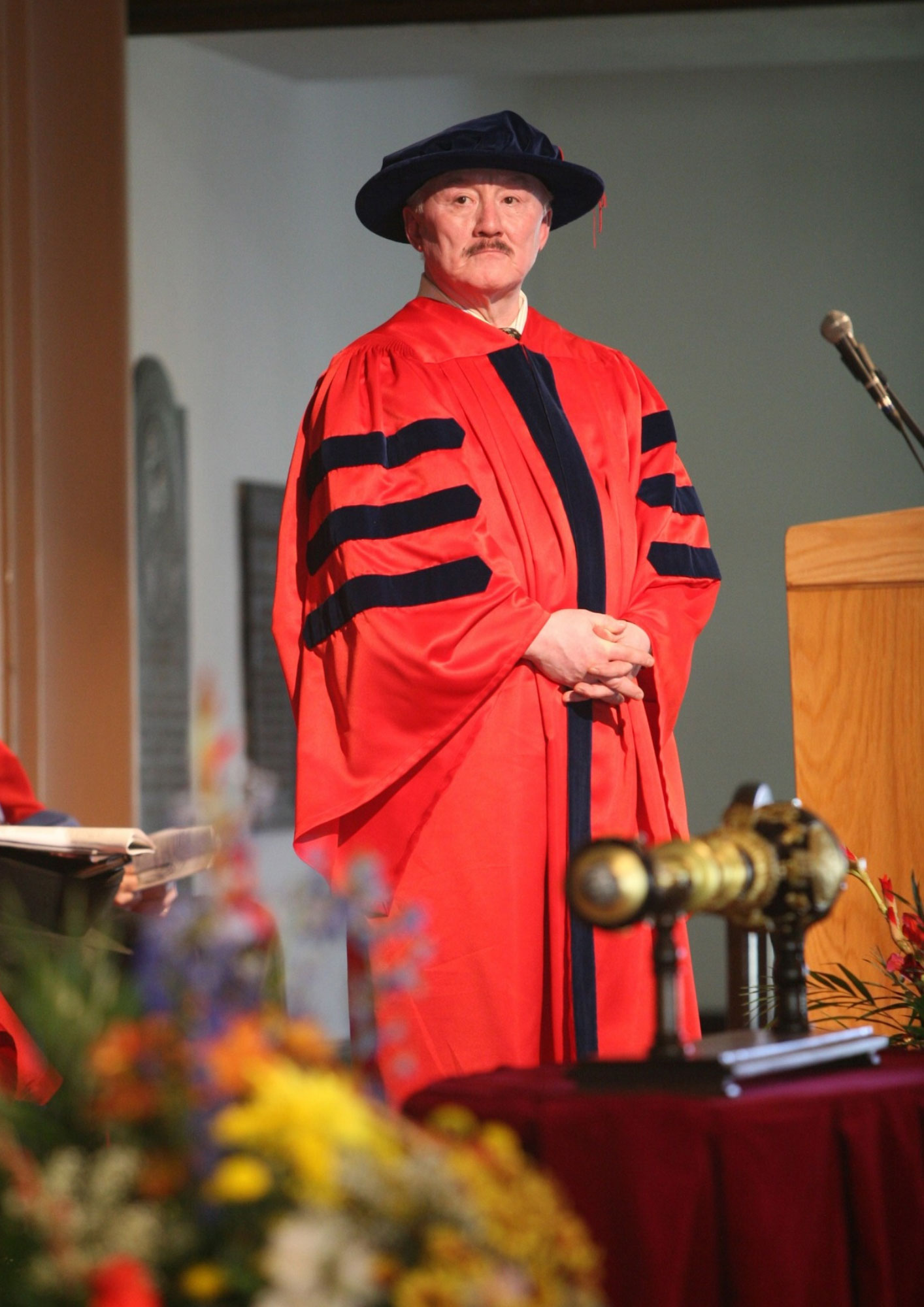
Elder Piita T. Irniq ('06)
Piita T. Irniq, born in 1947, is an Inuit cultural teacher, consultant, and former Commissioner of Nunavut. A lifelong advocate for Inuit culture, language, and self-determination, he has served in various leadership roles, including two terms on the Northwest Territories Territorial Council and as Nunavut’s Deputy Minister of Culture, Language, Elders and Youth. As Commissioner of Nunavut (2000–2005), he championed Inuit Qaujimajatuqangit and worked to strengthen traditional knowledge among elders and youth. Based in Ottawa, Mr. Irniq continues to promote Inuit culture through consulting, writing, drum dancing, and international collaboration, and serves on the Canadian Museum of History’s Aboriginal Advisory Committee.
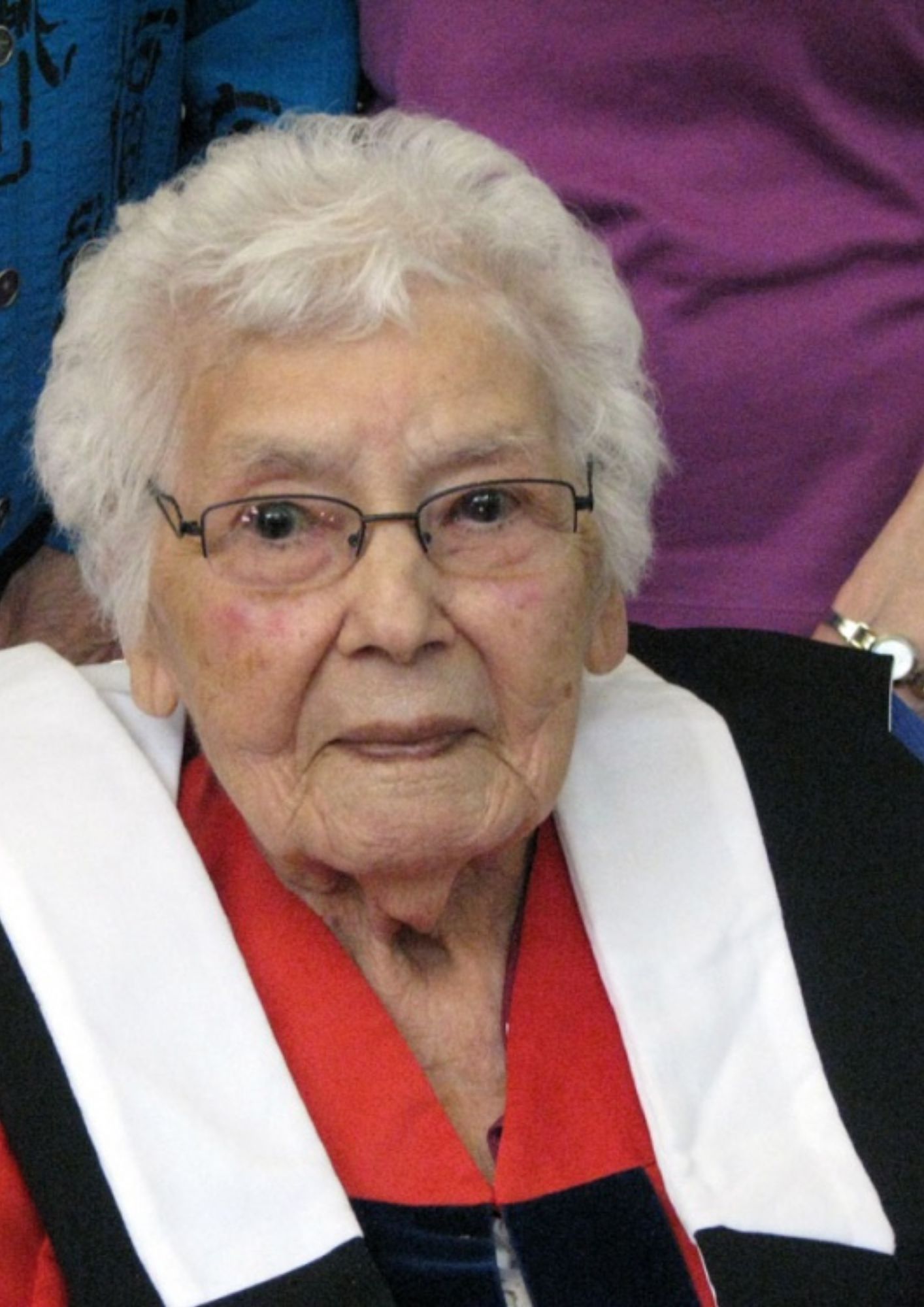
Elsie Josephine Charles Basque (‘13)
Elsie Josephine Charles Basque was a pioneering Mi’kmaw educator and respected Elder who became the first Mi’kmaw in Nova Scotia to earn a teacher’s license in 1937. A residential school survivor, she broke barriers as the first Mi’kmaw to teach in a non-Indigenous school in Cape Breton and later founded the first Indian Day School in Shubenacadie, enabling Mi’kmaw children to learn within their community. Dedicated to justice, equality, and education, Elsie championed Mi’kmaq culture, language, and traditions, inspiring generations to foster crosscultural understanding and community connection.
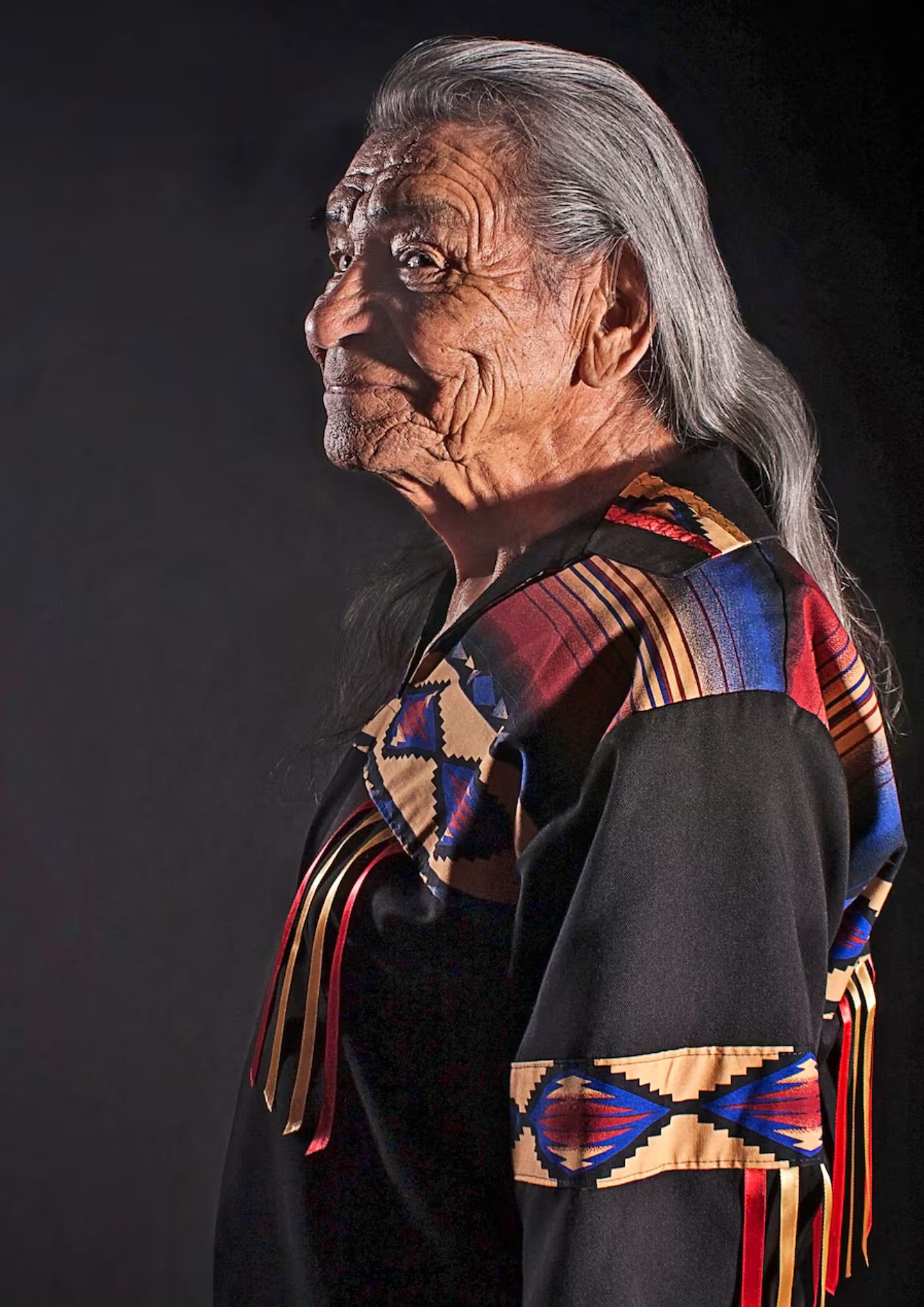
Elder Freeman Douglas Knockwood (‘15)
Elder Freeman Douglas (Doug) Knockwood, born in 1929, was a respected Mi’kmaw Elder, residential school survivor, and longtime advocate for healing and recovery. After overcoming addiction and finding sobriety in 1964, he co-founded one of the first alcohol and drug treatment programs for Mi’kmaw people in Nova Scotia and later served as Director of the Mi’kmaw Healing Lodge in Eskasoni. For over five decades, Elder Doug was a spiritual leader, counselor, and human rights advocate, recognized with the Grand Chief Donald Marshall Sr. Elder Achievement Award and invited to deliver blessings at national events. He continued to guide youth and communities in spiritual growth and wellness from his home in Indian Brook with his wife, Michelle.
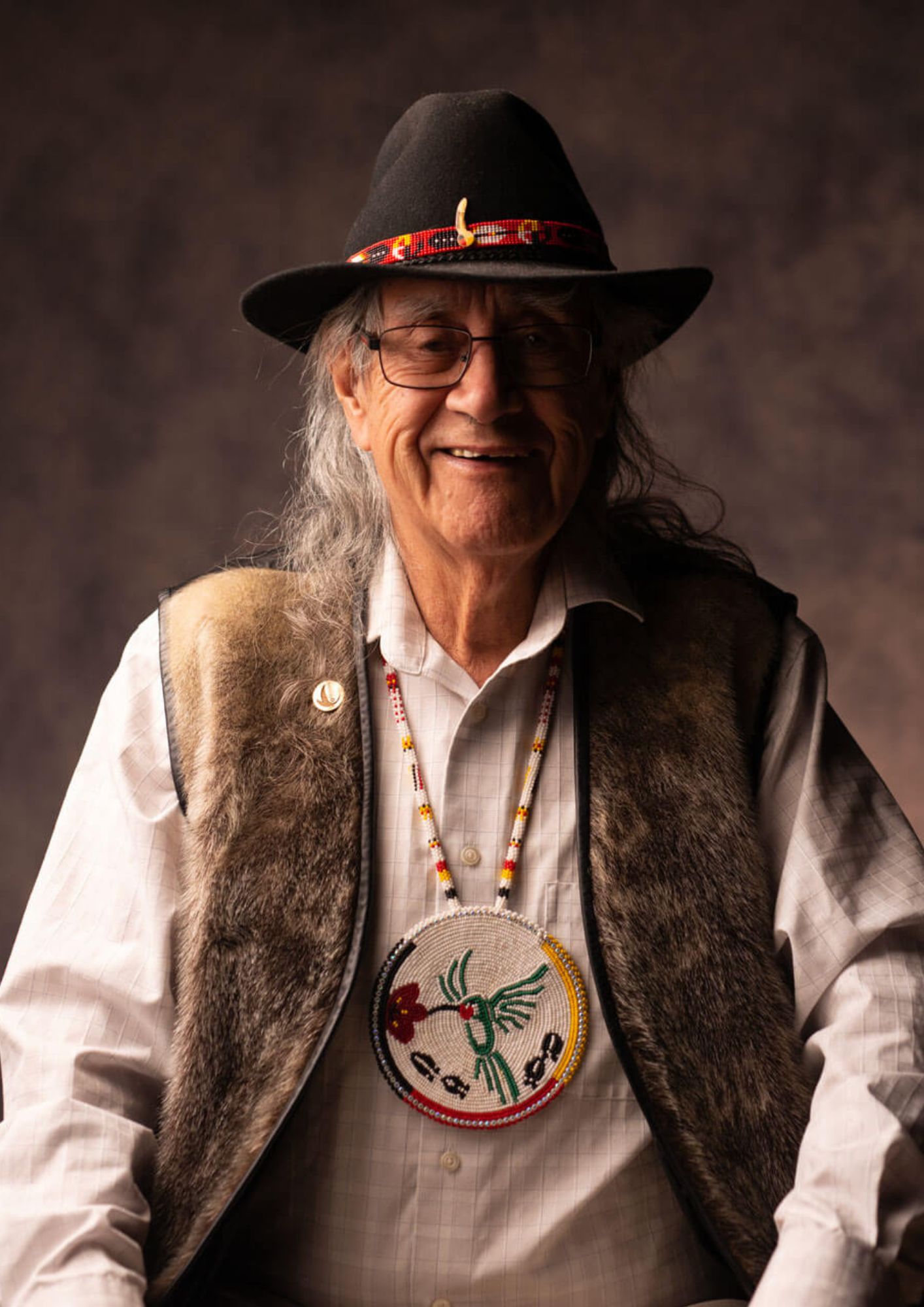
Elder Albert Marshall (‘18)
Elder Albert Marshall, a respected Mi’kmaw Elder from Eskasoni First Nation, is a leading advocate for cross-cultural understanding, environmental stewardship, and reconciliation. A residential school survivor, he has dedicated his life to preserving Mi’kmaw culture and promoting collaboration between Indigenous and non-Indigenous worldviews. Together with his late wife, Murdena, he introduced the concept of Etuaptmumk or “Two-Eyed Seeing,” which encourages combining Indigenous and Western knowledge to address complex issues—a principle now recognized internationally. Through initiatives like Knowledge Education & Culture Consultant Associates (KECCA) and his work with Cape Breton University’s Integrative Science program, Elder Albert has advanced education, ethical resource management, and cultural renewal. His contributions have earned him numerous awards, including the Marshall Award for Aboriginal Leadership and an Honorary Doctorate from Cape Breton University.
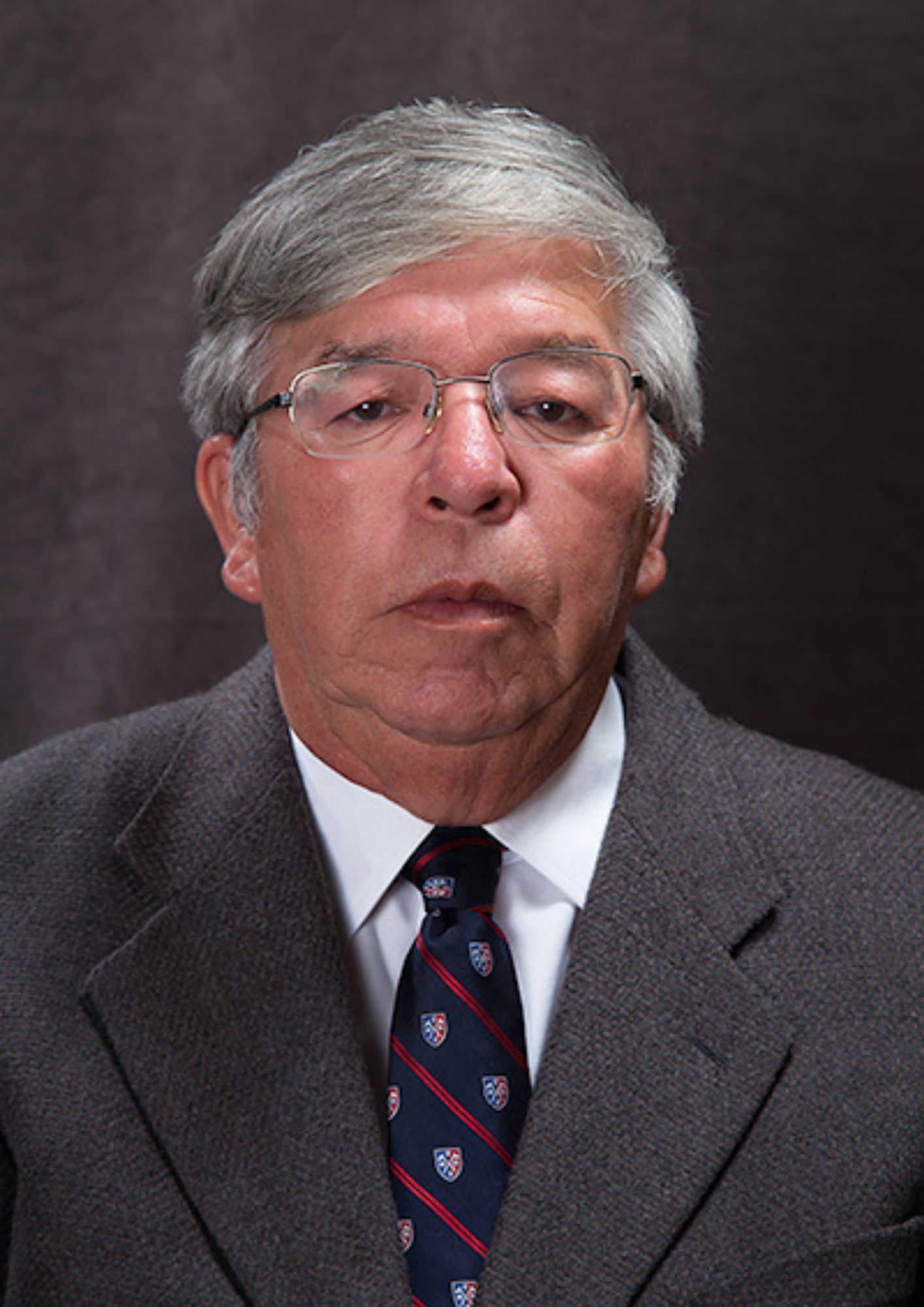
Elder Joe Michael (‘19)
Mi’kmaq Elder Lawrence Joseph “Joe Mike” Michael is a respected spiritual leader, educator, and advocate for crosscultural understanding in Nova Scotia and across Canada. The first Mi’kmaq member of the RCMP, he served for 25 years, integrating traditional Mi’kmaw teachings with modern policing to help shape the RCMP’s Aboriginal Community Policing model, still used in cadet training today. As the RCMP’s Pipe Carrier, he led sacred ceremonies and promoted cultural awareness within the force. After retirement, he co-founded Weaving River Consulting to bridge traditional and contemporary knowledge, and continues to inspire youth through teachings, storytelling, and his renowned talking sticks, which symbolize balance and the power of dialogue.
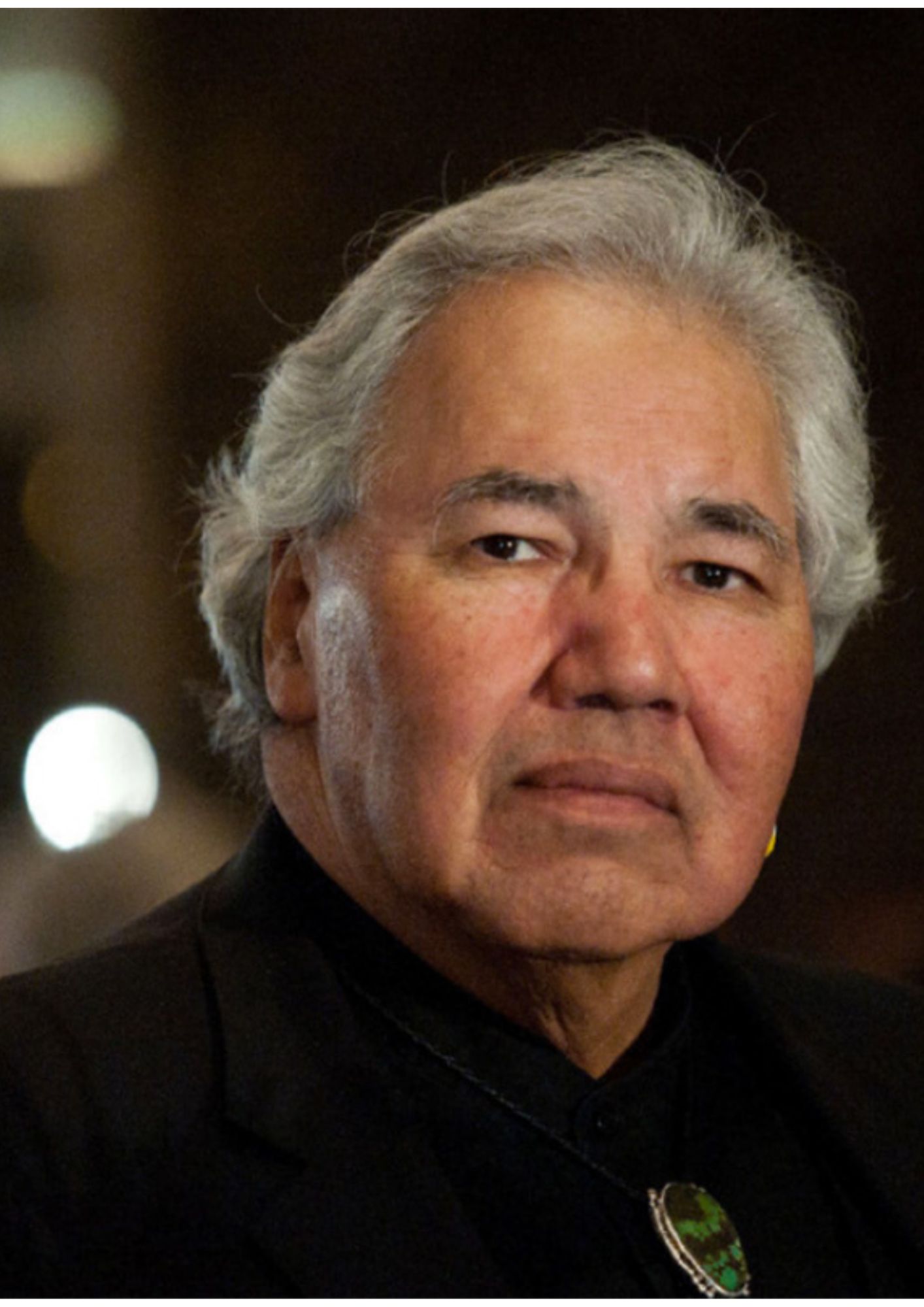
Hon. Justice Murray Sinclair (‘21)
The Honourable Justice Murray Sinclair was a distinguished Indigenous judge, senator, and advocate for reconciliation in Canada. He served on Manitoba’s courts before chairing the Truth and Reconciliation Commission (2009–2015), overseeing testimony from over 7,000 residential school survivors and producing the landmark report with 94 Calls to Action. Appointed to the Senate in 2016, he served until 2021 and received numerous honours, including the National Aboriginal Achievement Award. He was devoted to his wife, Katherine Morrisseau-Sinclair, their five children, and five grandchildren.
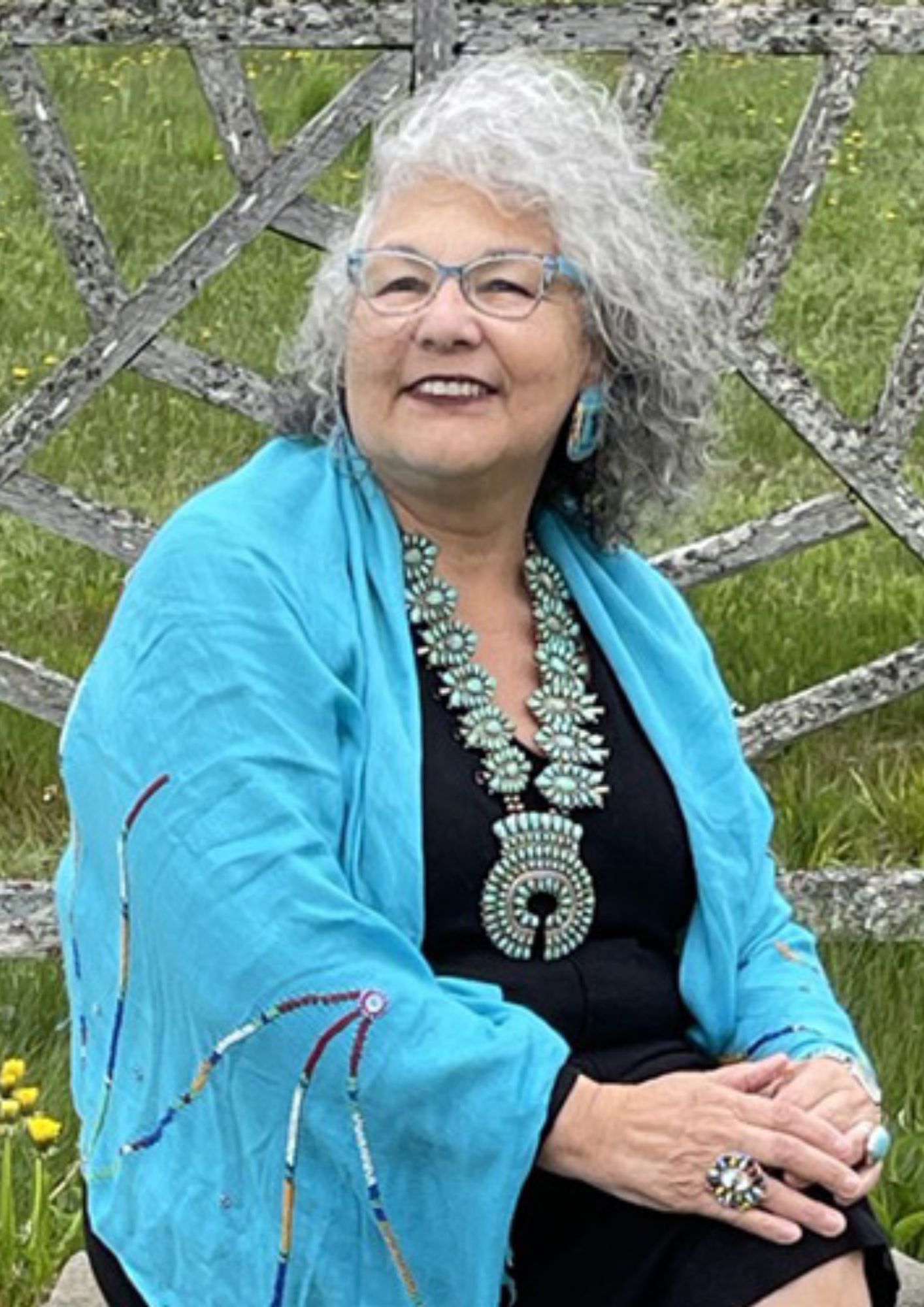
Elder Lorraine Whitman ('22)
Lorraine Whitman, known as "Grandmother White Sea Turtle," is a respected Mi'kmaq Elder from Glooscap First Nation in Nova Scotia. With a career focused on health care and healing, she has developed and implemented programs for individuals with physical challenges and specialized in Aboriginal Diabetes initiatives. Lorraine served as a social development officer, councillor, and board member for various Mi'kmaq organizations, and she was elected President of the Native Women's Association of Canada (NWAC) in 2019, advocating for equality and well-being for Indigenous women, girls, and 2SLGBTQQIA people. She has received numerous awards, including the Grand Chief Marshall Elders Sr. Award, and has contributed to cultural preservation through projects like the Art Gallery of Nova Scotia design and Mi'kmaw cultural events. Lorraine is also an artisan, mentor, and volunteer, dedicated to empowering youth and promoting Mi'kmaq culture and heritage.
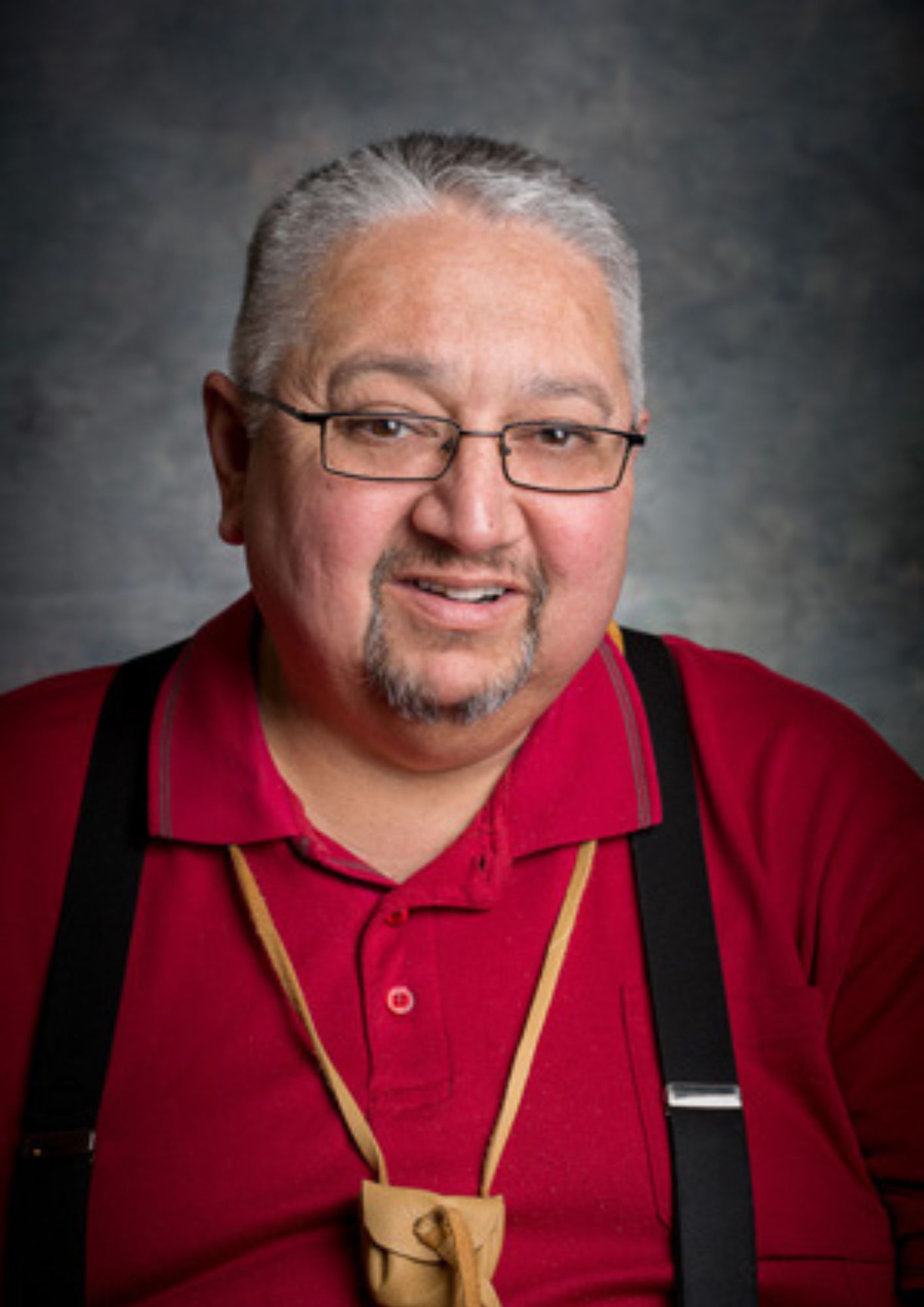
Gerald Gloade (‘23)
Gerald Gloade, a Program Development Officer for the Mi'kmawey Debert Project, is an artist, educator, storyteller, naturalist, and Elder from Millbrook First Nation. Raised by his grandmother, he gained deep knowledge of Mi'kmaq traditions, legends, and the land. Gerald began his career as a graphic designer and public information officer for Nova Scotia's government before guiding the Debert Project, which uses a Two-Eyed Seeing approach to explore 13,000 years of Mi'kma'ki's history. A renowned storyteller, he has shared Mi'kmaq legends with diverse audiences, including Queen Elizabeth II, and contributed to Acadia University's Indigenous initiatives. Gerald is also an accomplished artist, recognized for his work at the Vancouver Olympics, on a Canada 150 coin, and through his Mi'kmaq History Month posters. He lives in Millbrook First Nation with his wife, Natalie, and their family.
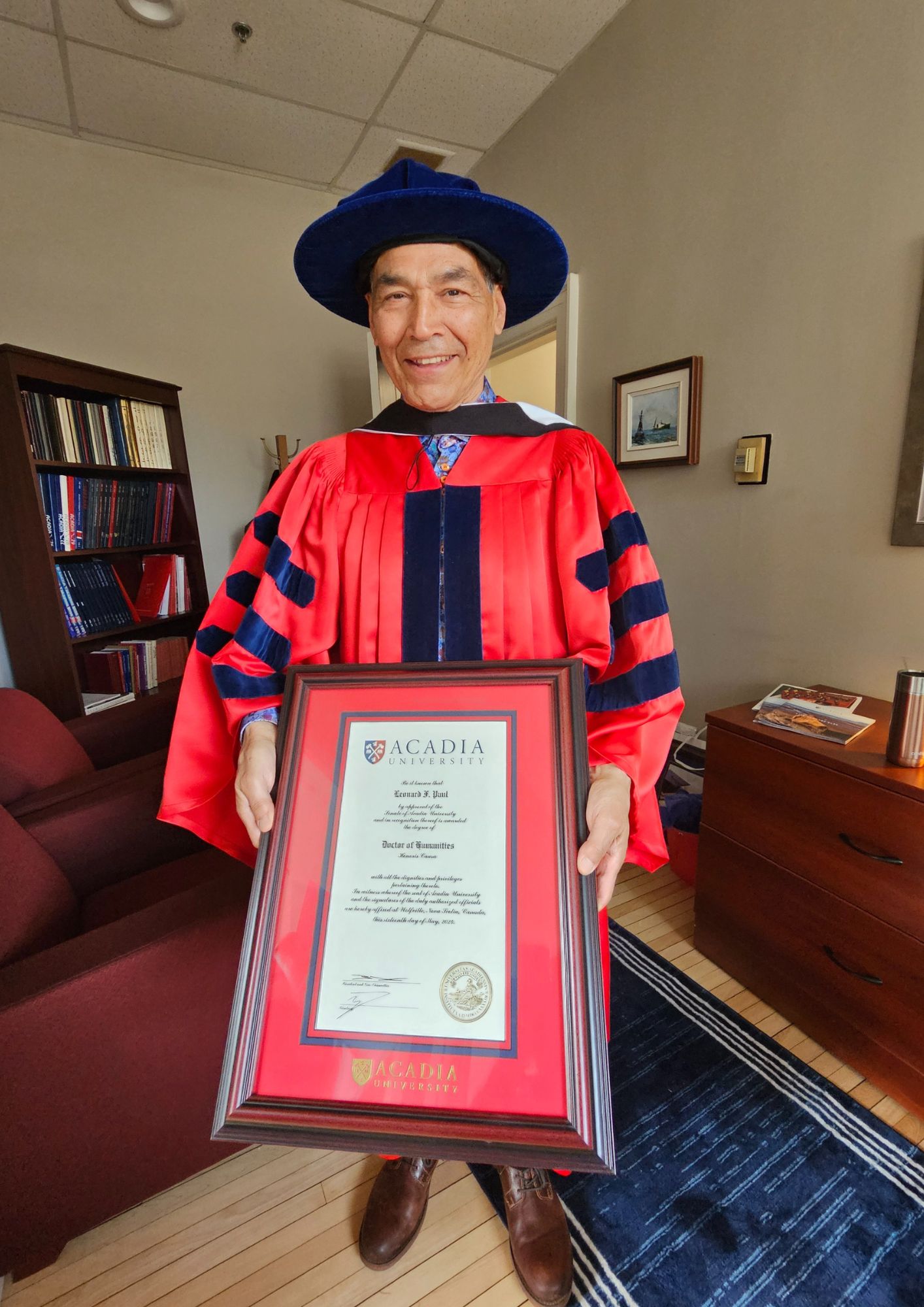
Leonard Paul (‘91, '24)
Leonard Paul is a Mi’kmaq artist known for his symbolic and nature-inspired watercolour paintings, developed over four decades of wilderness exploration and study at the Nova Scotia College of Art and Design and Acadia University. His work, reflecting a deep humanism and connection to nature, has been featured in over 35 national and international exhibitions and is held in prominent collections. Descended from a line of influential Mi’kmaw Chiefs, he has received numerous awards, including the Governor General’s Medal in Visual Arts, the CAA Public Communications Award, and the Bruce William Memorial Silver Fox Wildlife Art Competition.
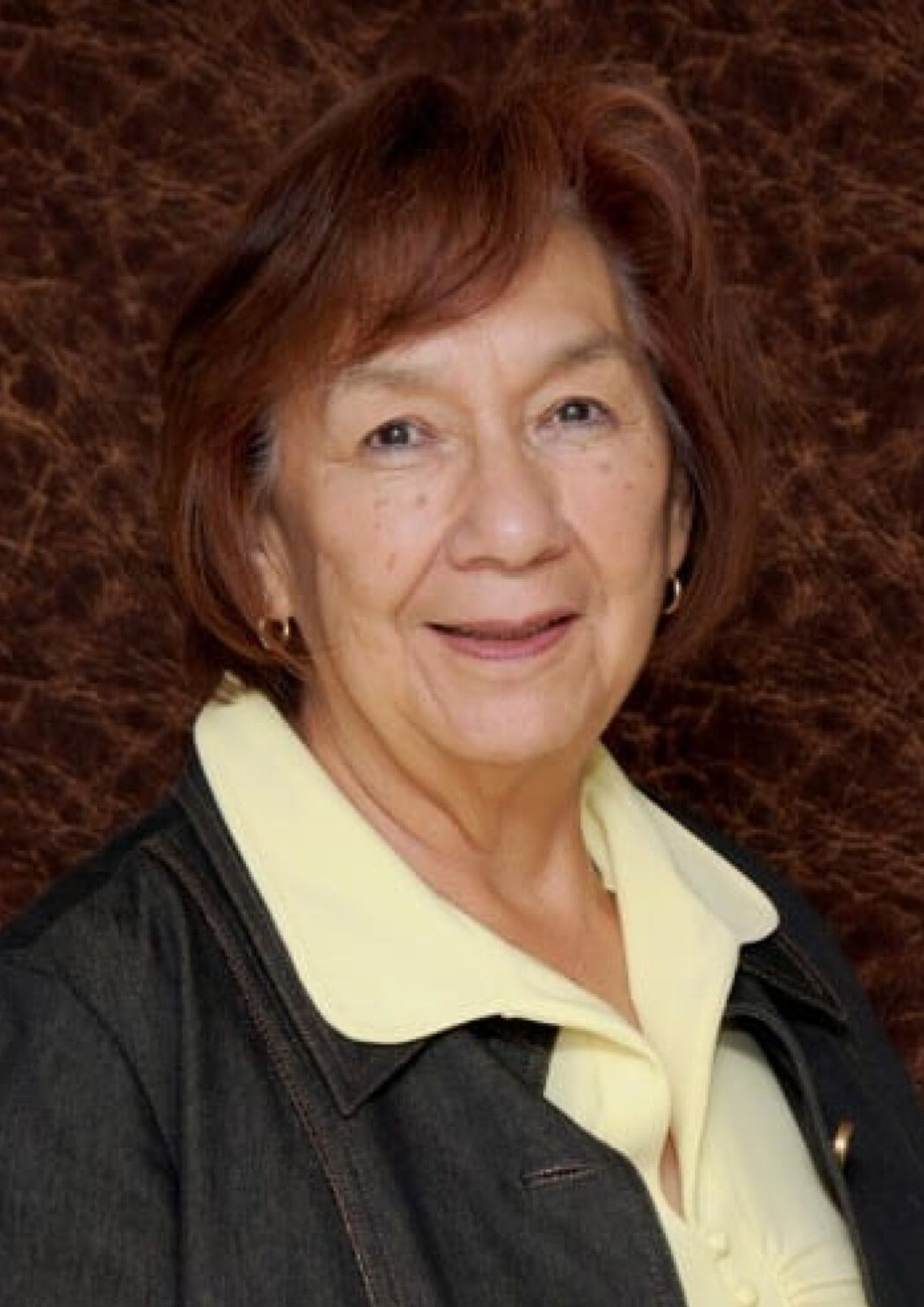
Viola Robinson (’25)
Viola Robinson, a member of Wasoqopa’q First Nation, is a longtime advocate for Indigenous rights and justice in Canada. She played a key role in implementing governance and treaty rights for Mi’kmaq communities, worked to end discrimination against Aboriginal women, and served as president of both the Native Council of Nova Scotia and the Native Council of Canada. A commissioner with the Royal Commission on Aboriginal Peoples, she earned an LLB from Dalhousie Law and received numerous honours, including the Order of Nova Scotia and Officer of the Order of Canada. Now retired, she continues to contribute as a member of Acadia University’s joint Indigenous, Association, and Board Council.