
What makes ticks tick? Acadia researchers awarded funding to find out
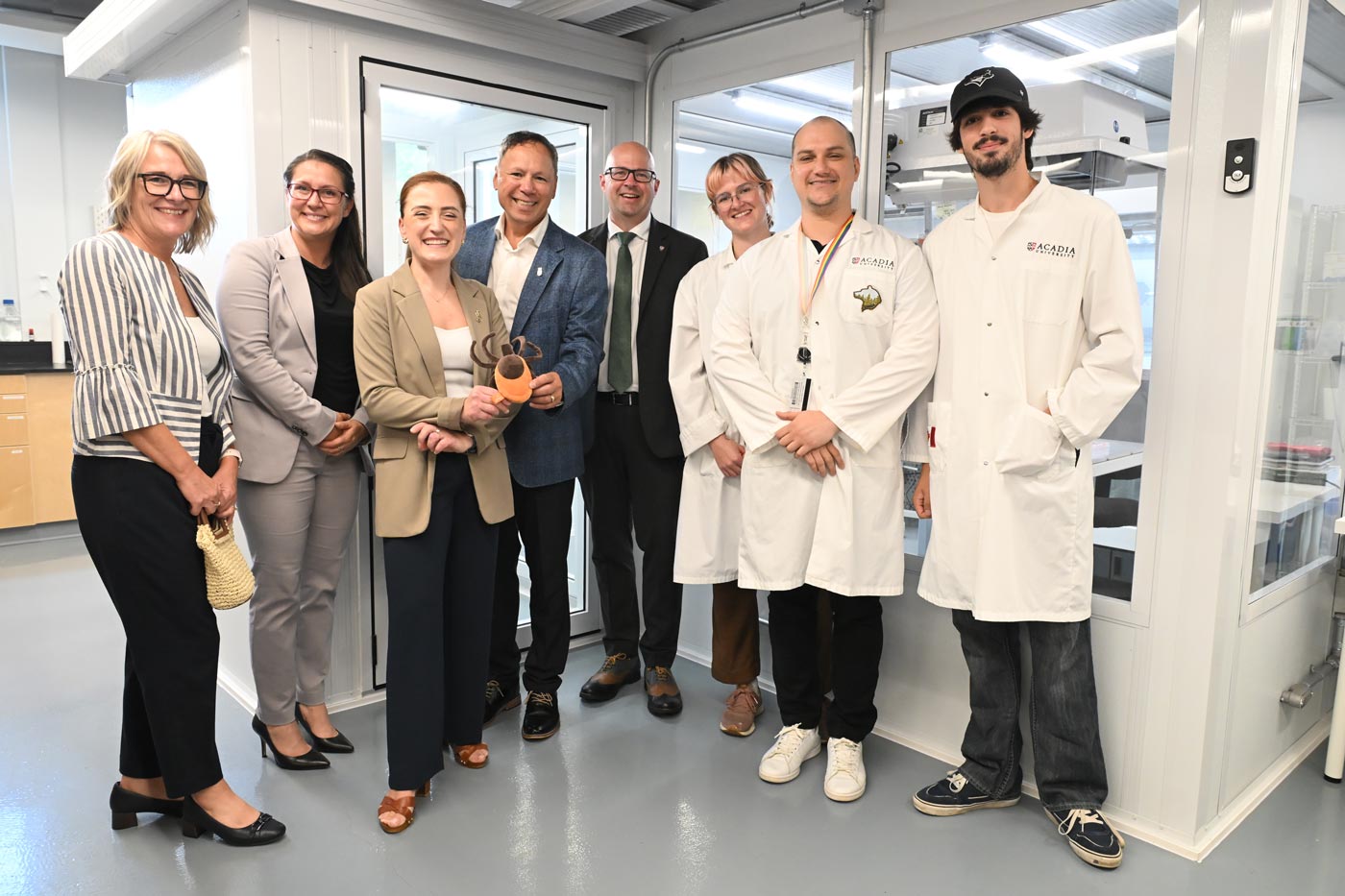
Tick populations are on the rise in Canada’s woods, meadows, and even inside the halls of Acadia University. The university’s new Tick Research and Innovation Centre (CTRIC), which opened earlier this year, was created to breed ticks in the name of science.
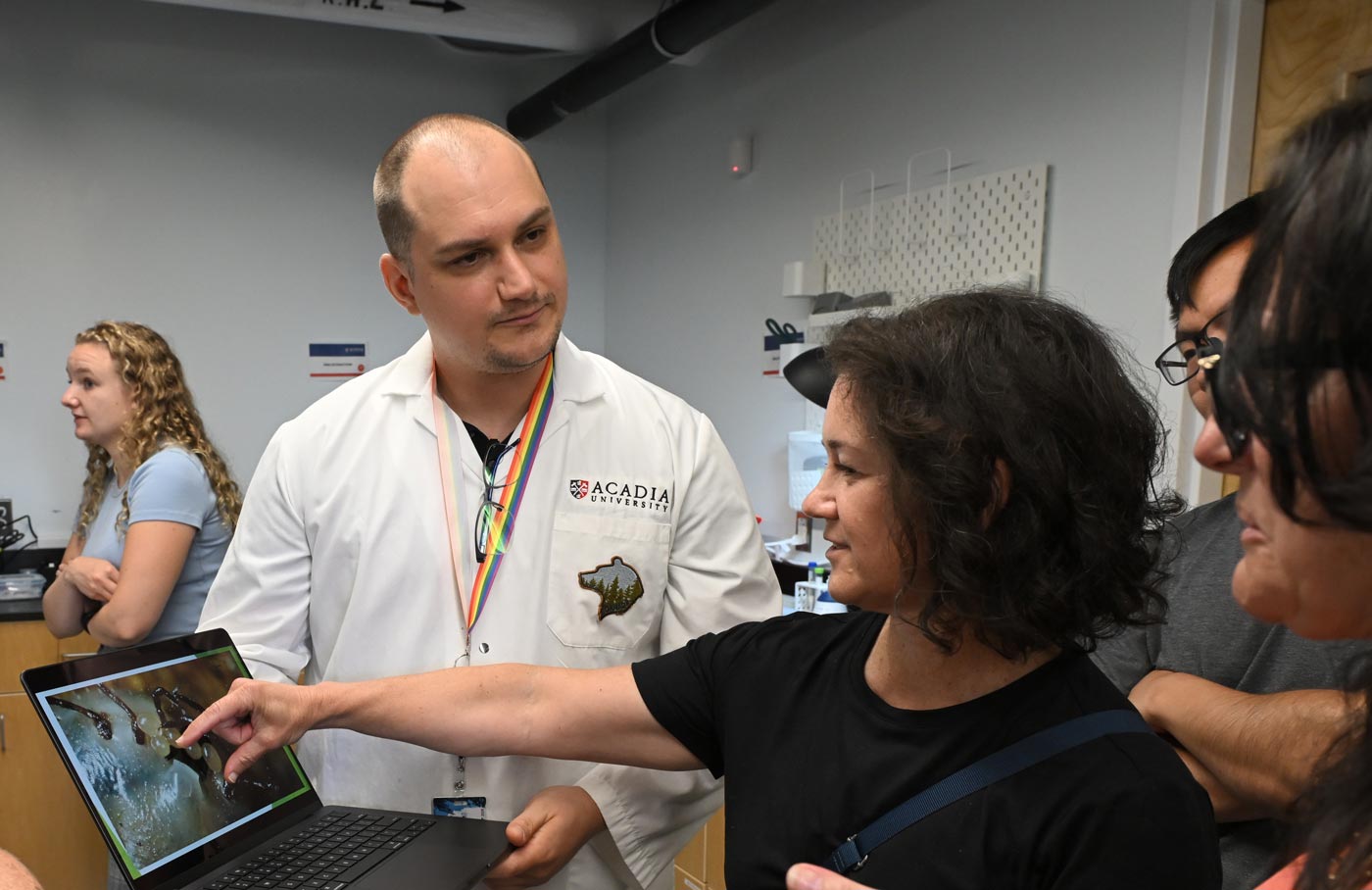
Led by Dr. Nicoletta Faraone in Acadia's Chemistry department, CTRIC is Canada’s first tick research lab, helping faculty and students learn more about what makes tick tick.
Now, with $1.7 million in new funding from federal and provincial agencies, CTRIC is even better positioned to research how we can keep Canadians safe from Lyme disease, anaplasmosis, and other diseases spread through their bites.
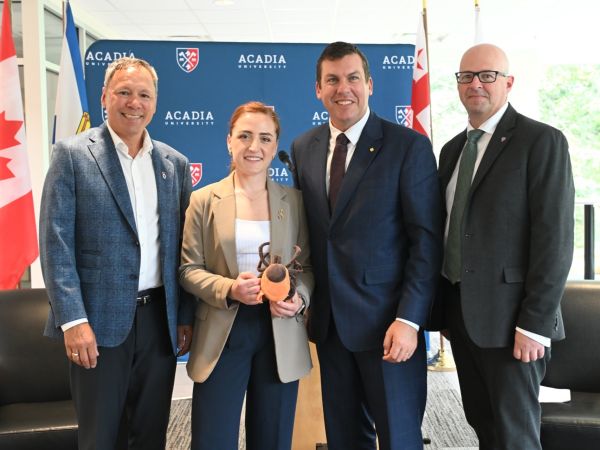
At an announcement on August 25 (you can watch the livestream on YouTube), the Government of Canada, through the Atlantic Canada Opportunities Agency (ACOA), committed a $455,000 non-repayable contribution to help establish the Centre and purchase technical equipment. The announcement was made by the Honourable Kody Blois, Parliamentary Secretary to the Prime Minister and Member of Parliament for Kings-Hants, on behalf of the Honourable Sean Fraser, Minister of Justice and Attorney General of Canada and Minister responsible for the Atlantic Canada Opportunities Agency.
Research Nova Scotia followed with a $1.2 million funding contribution. The Honourable Brian Wong, Minister of Advanced Education and minister responsible for Research Nova Scotia, made that announcement, adding that the Province of Nova Scotia is contributing an additional $50,000 towards the tick research facility through the Department of Health and Wellness.
Dr. Faraone says the funding announcement is an “exciting and meaningful moment.”
“CTRIC started with a vision to build a dedicated facility here in Nova Scotia to better understand ticks and tick-borne diseases, and to translate our research into practical solutions that can protect people and communities.”
Previously, any research on ticks in Canada—including at Acadia—was conducted on ticks imported from the United States at a steep cost. Representatives of the agencies providing funding for CTRIC are excited to be part of a homegrown solution to the tick invasion. “Acadia is building world-class expertise around a problem that is growing here and across the country, and turning that research into made-in-Canada solutions,” Kody Blois said in his remarks at the announcement.
In addition to creating research opportunities at Acadia and across Canada, CTRIC and the new funding will increase the capacity for connections to industry partners also working to address ticks.
“Our investment will help to build additional connections between researchers and industry, which will facilitate moving ideas from the lab to the marketplace,” says Stefan Leslie, CEO of Research Nova Scotia. “By investing in the work happening at CTRIC, we’re helping Nova Scotia capture the economic value that comes from the province’s research and innovation activity.”
“Creating a tickery here in Nova Scotia is a game-changer for tick research across the country,” says Dr. Jeff Hennessy, (President & Vice-Chancellor). “Having it at Acadia University with the amazing team of faculty and researchers we have is something we’re all proud of.”
The work from researchers now heading up CTRIC has already had a massive impact, from working with industry partners like PureGuard to create an all-natural tick repellent, to identifying a tick-killing fungus.
As Dr. Faraone said in her remarks at the announcement, while the funding is a huge milestone for CTRIC, “it is also just the beginning.”
Gallery