Artifacts at Acadia: A celebration of International Archeology Day
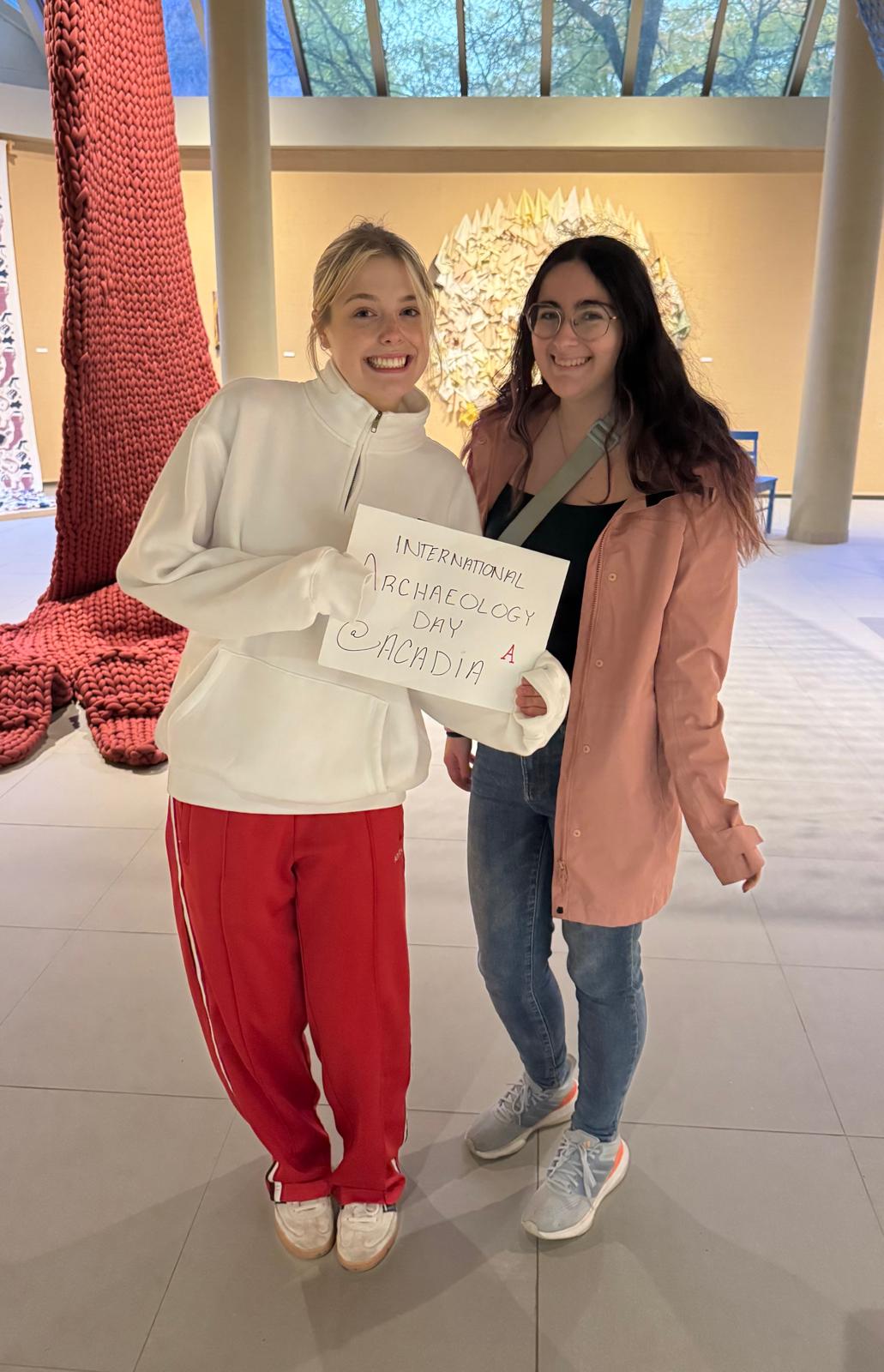
The stars aligned in Wolfville this October as International Archeology Day landed on Homecoming weekend. It was a perfect occasion to celebrate bygone eras, whether by reconnecting with classmates from the 1970s or exploring ruins from the 1870s.
Archaeologist Dr. Chelsea Gardner and honours student Oliver Godelie, both from Acadia's History and Classics department, organized a day-long exploration of the past, showcasing the many archaeology-related projects happening this fall. Interactive exhibits and activities took place across campus and were open to the wider community.
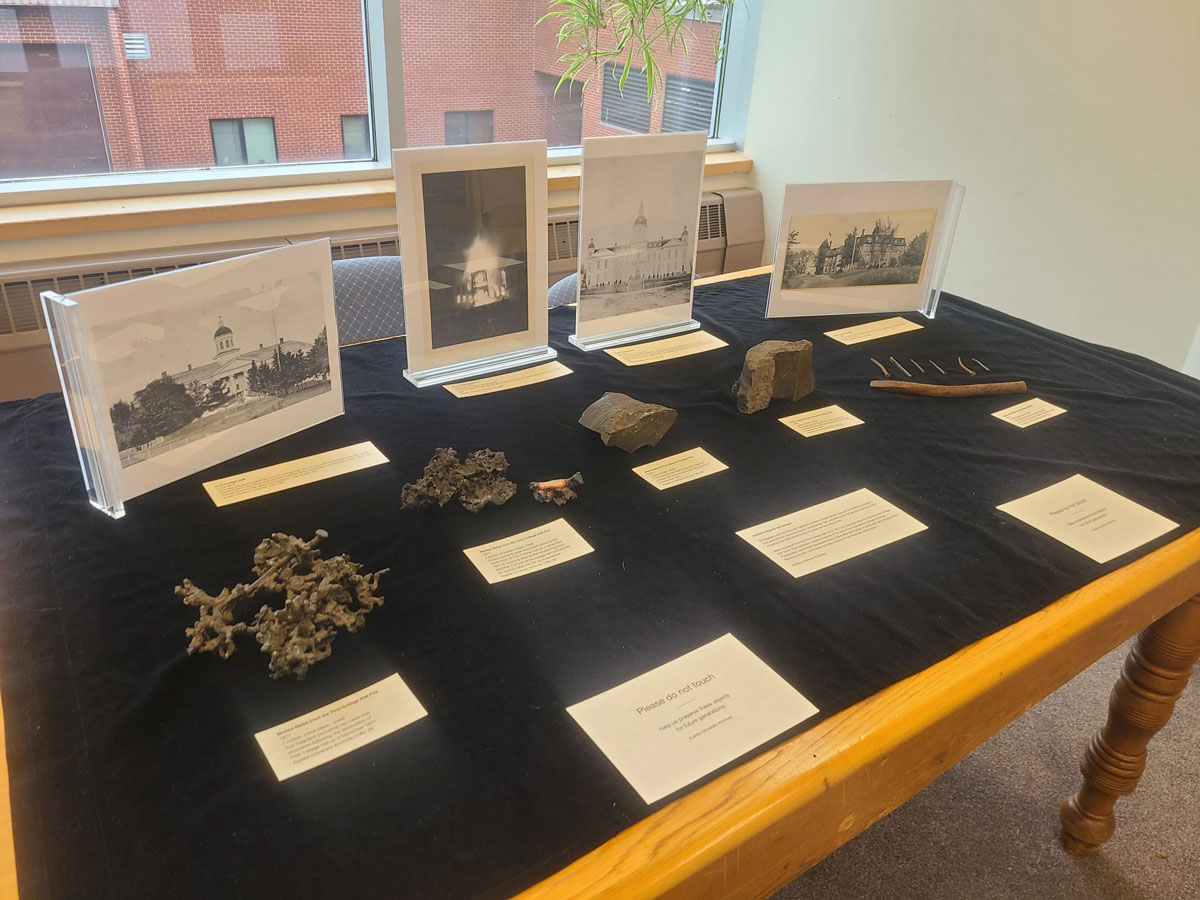
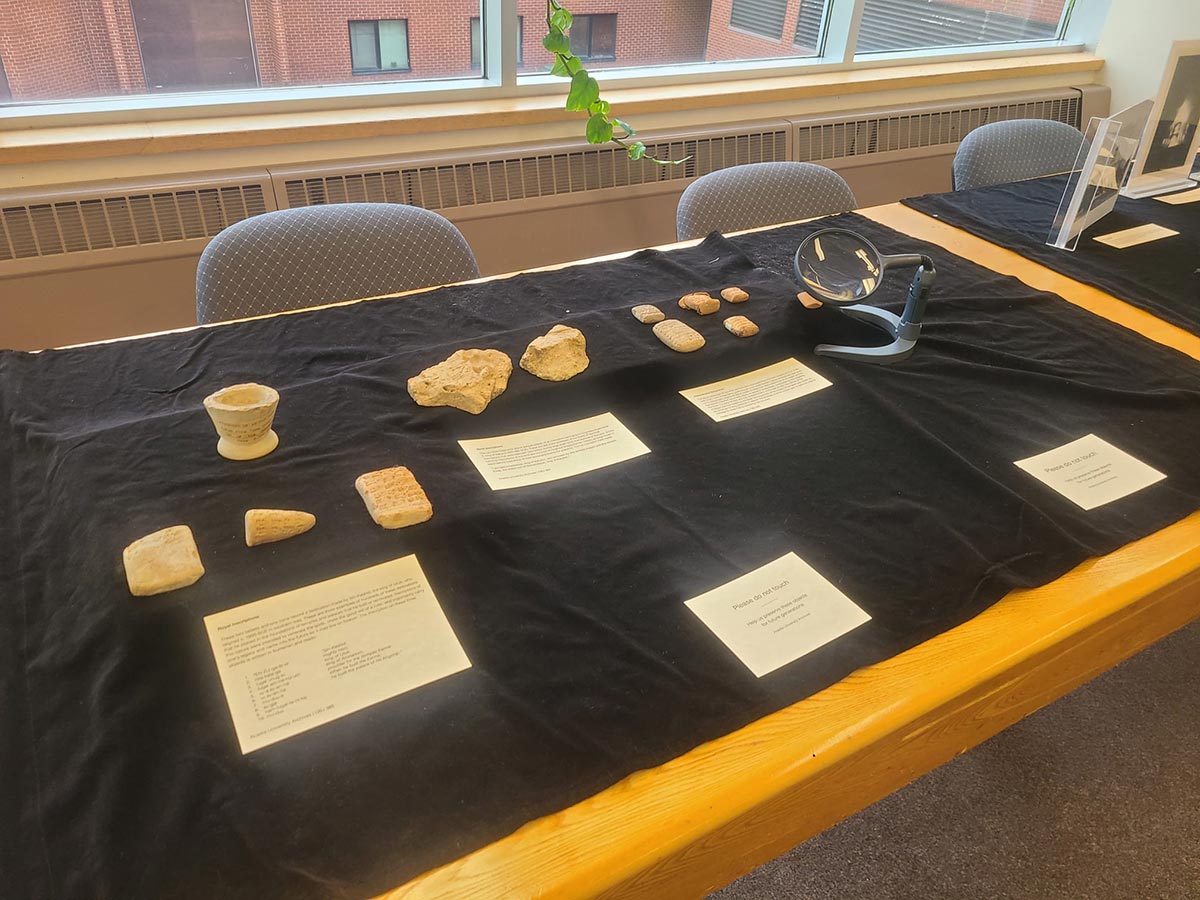
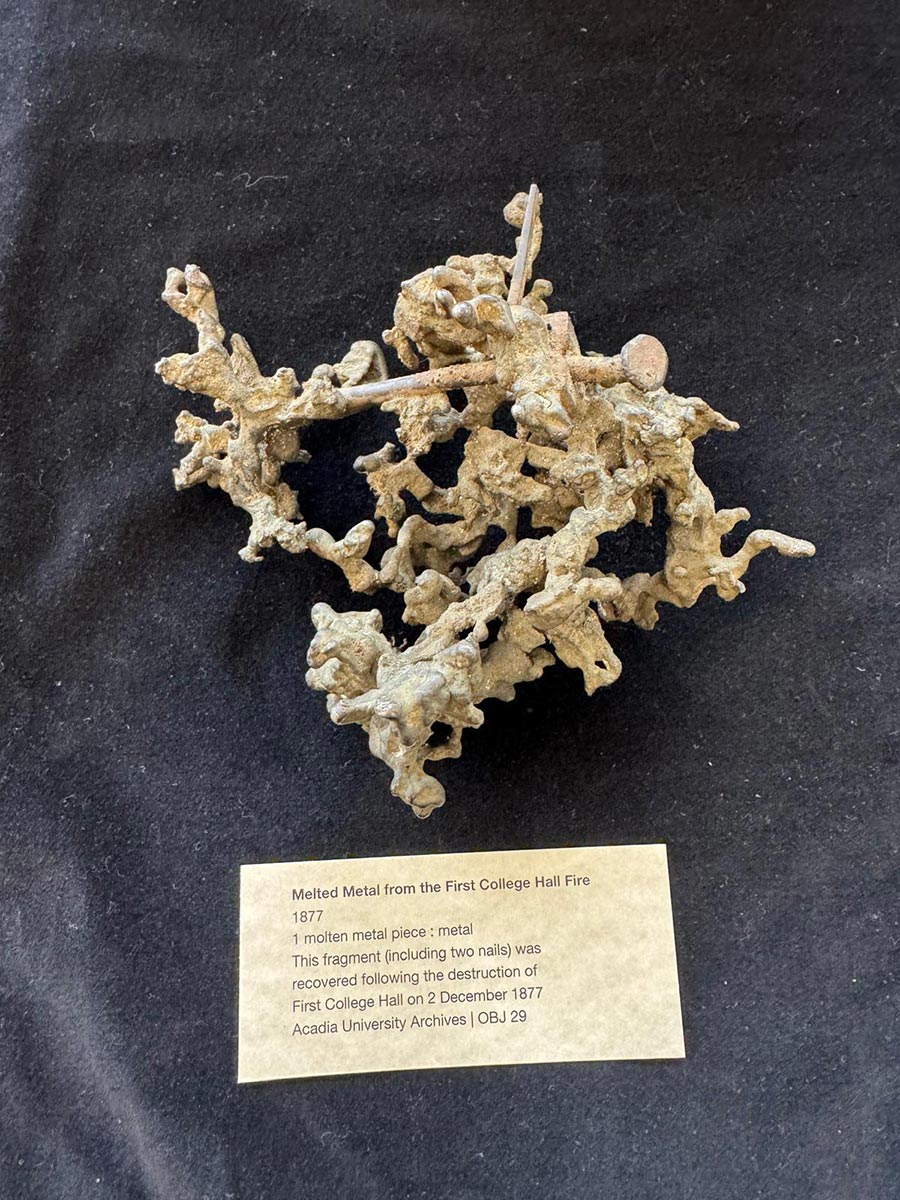
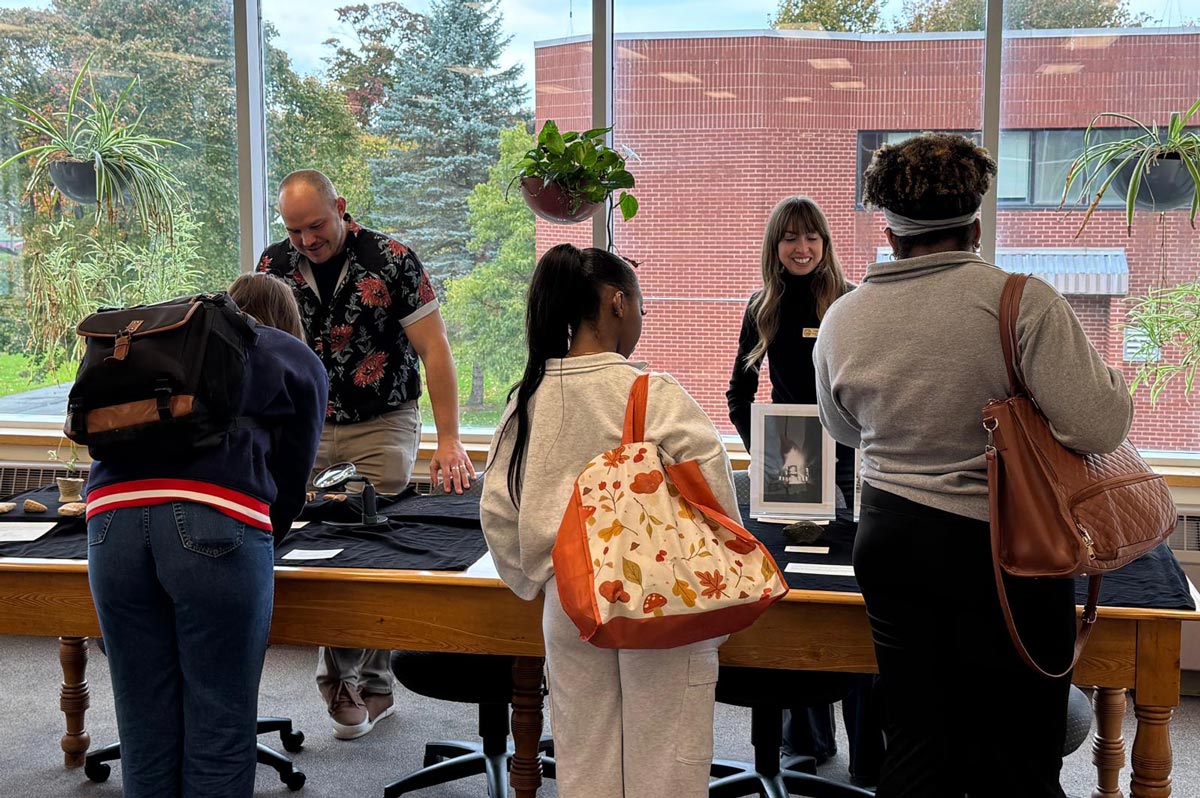
For the first time, several archaeological artifacts held in Acadia’s Archives & Special Collections were on display. These include 4000-year-old objects from ancient Mesopotamia, coin collections from all over the world, neolithic stone tools, and objects related to Acadia’s history, all presented in displays prepared by Catherine Fancy. On hand and ready to explain the significance of the ancient objects was Dr. Nick Kraus, Assyriologist and curator at the British Museum, who is in town this fall as a Harrison McCain Visiting Professor.
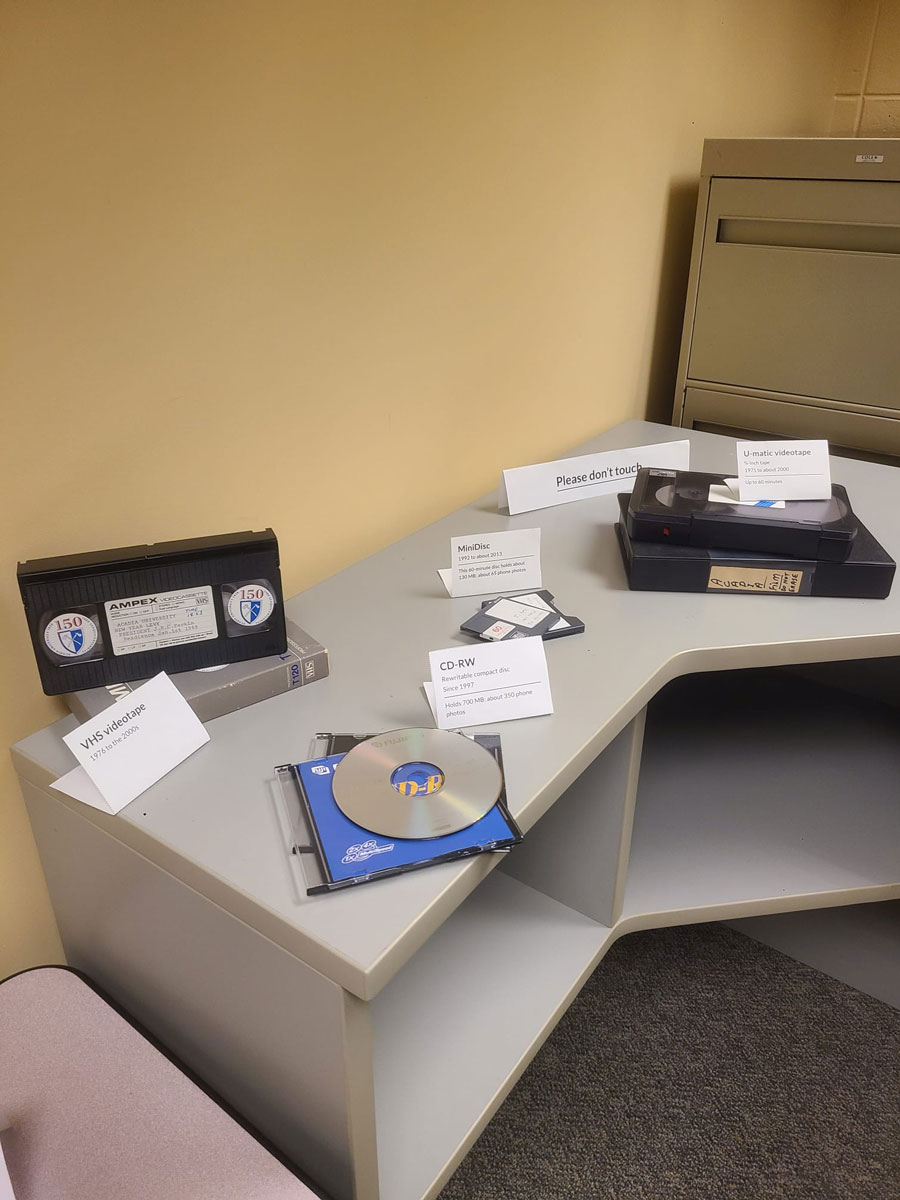
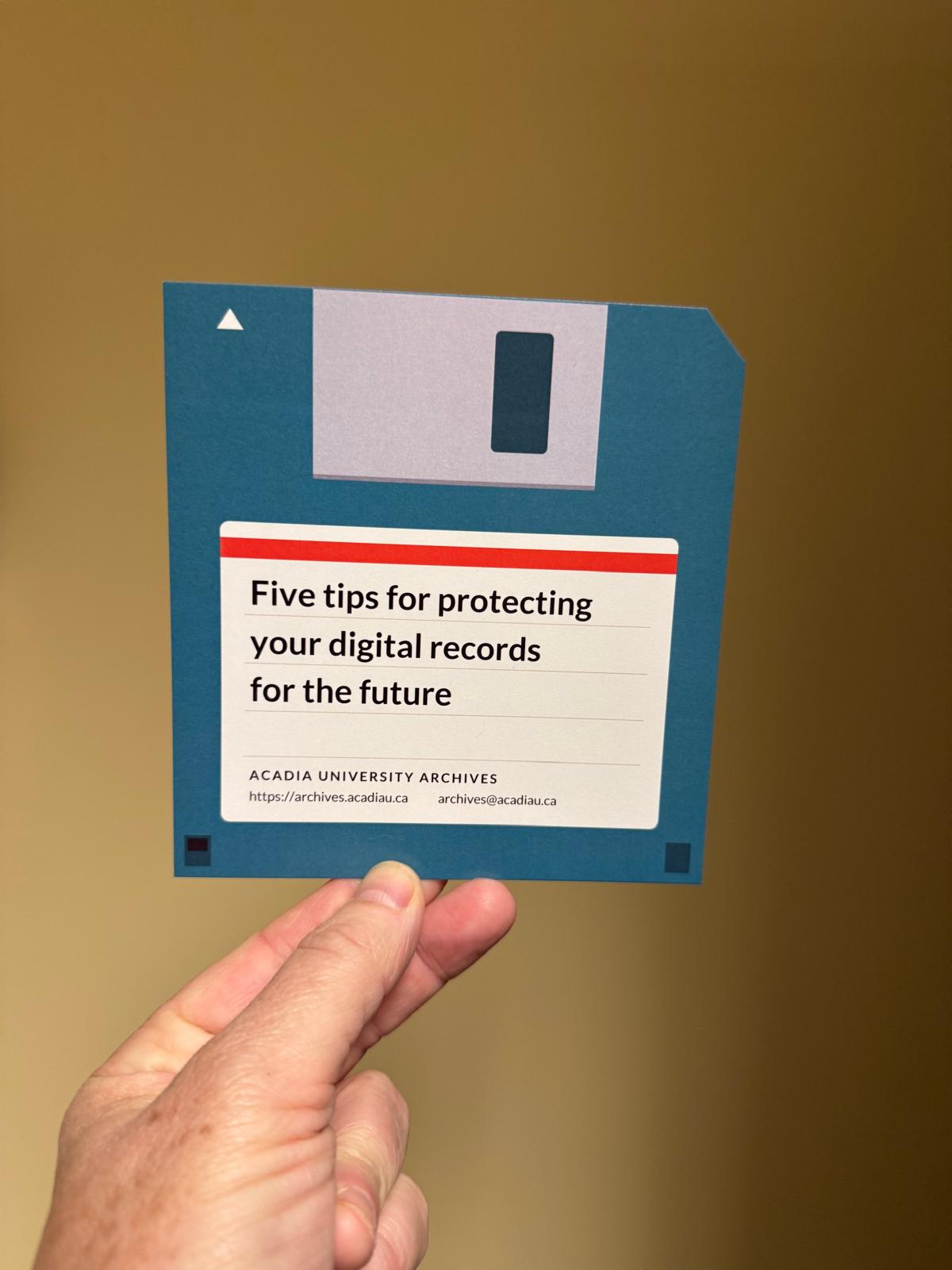
Digital archivist Ciaran Purdome also demonstrated how archivists are preserving "ancient" technology that's already starting to deteriorate, like floppy disks and tapes, before they're gone.
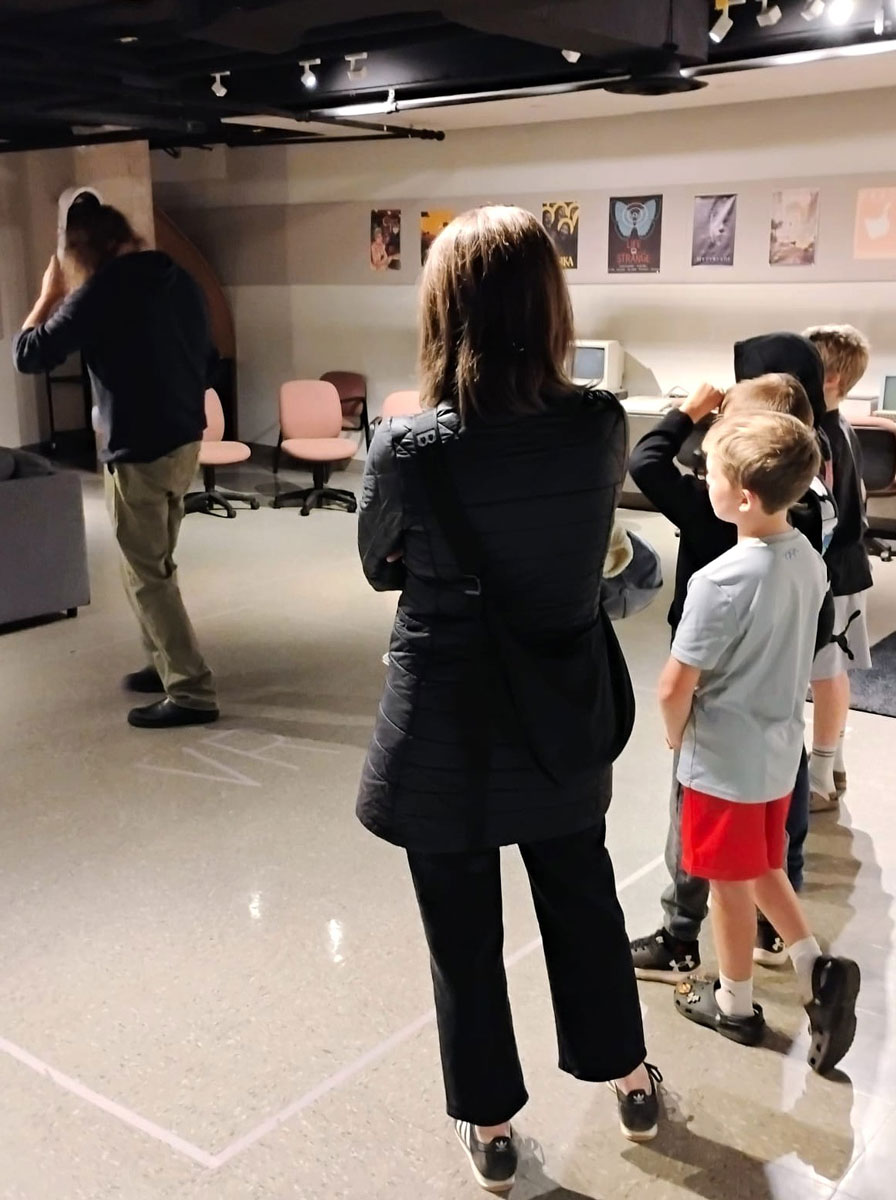
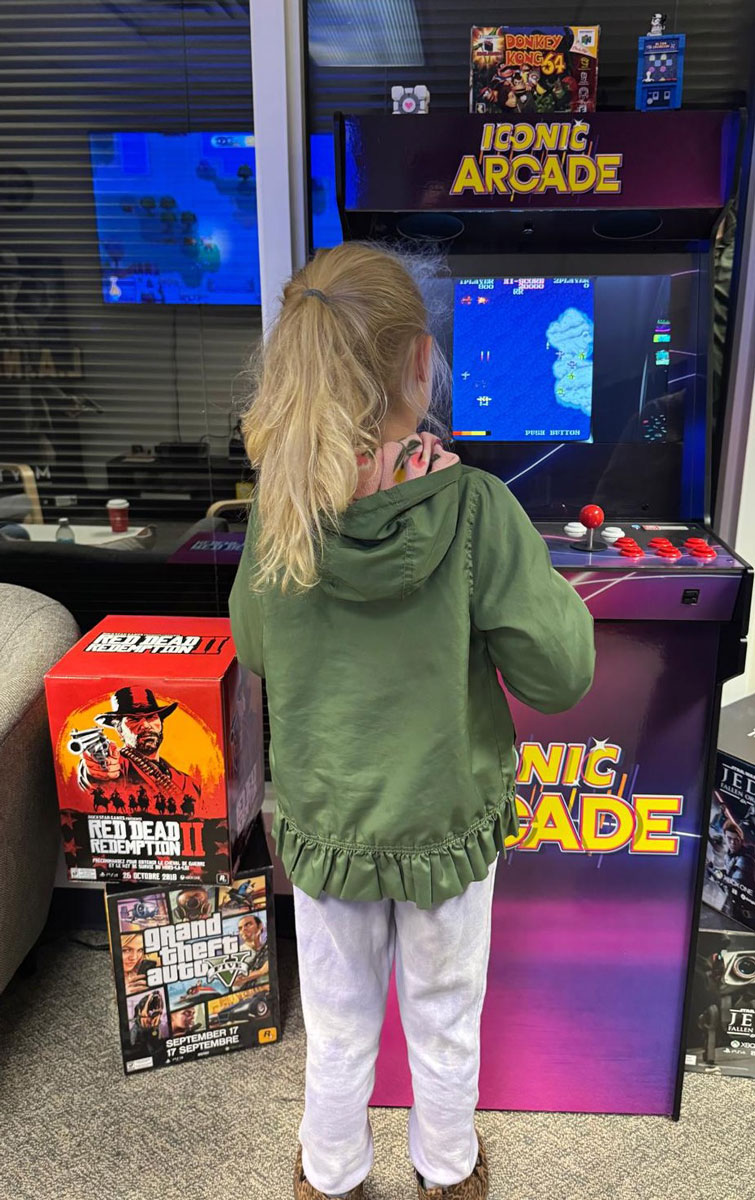
Just down the hall in the Acadia Centre for Critical Play, Drs. Natalie Swain (History & Classics) and Jon Saklofske (English & Theatre) led folks through video game demos and VR tours of ancient archeological sites.
"I enjoyed the exhibit in the critical play lounge because I got to walk through an archaeological site using a VR headset," says graduate student in English, Angel Percentie. "It was so cool! I would click and pick up items and more information would appear."
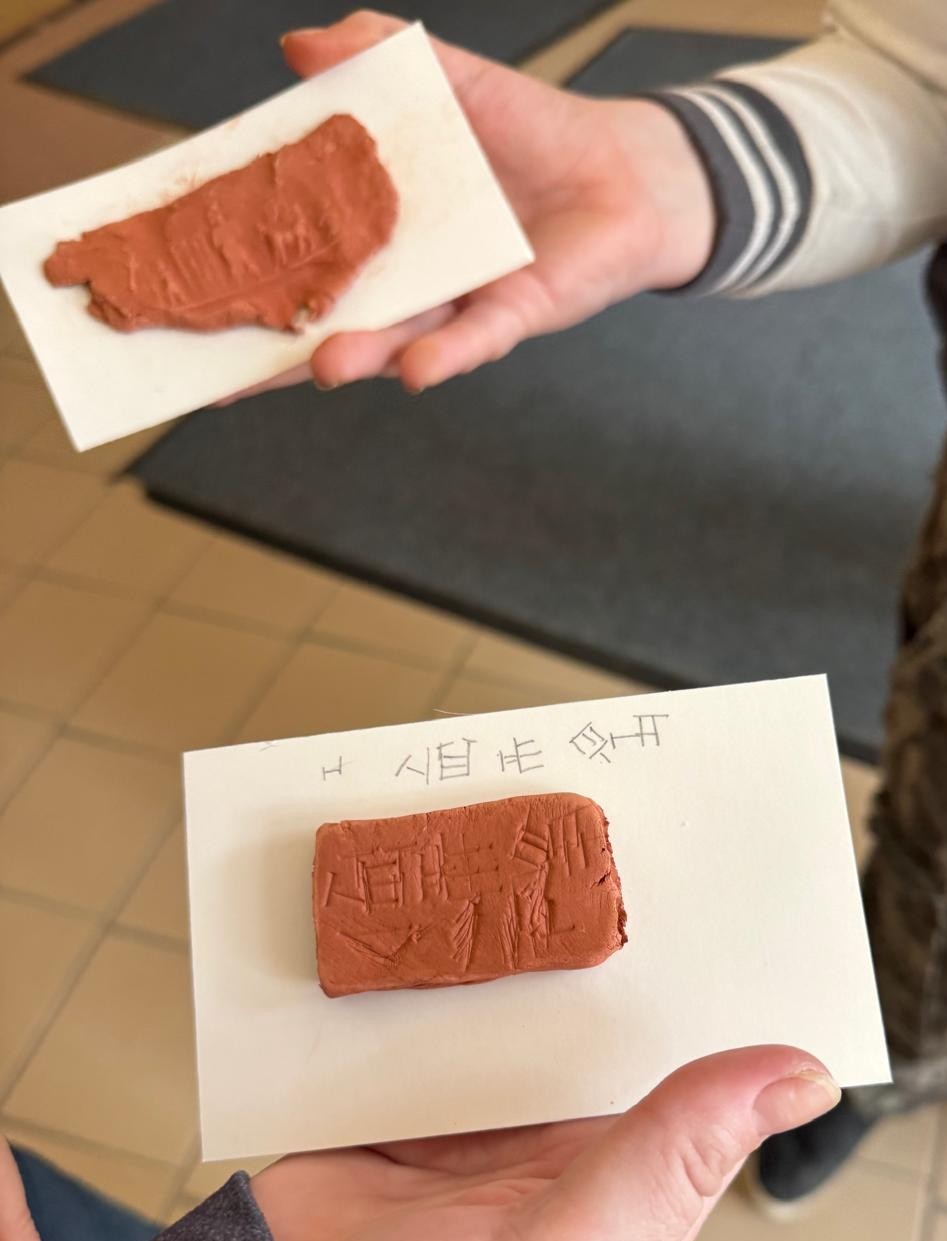
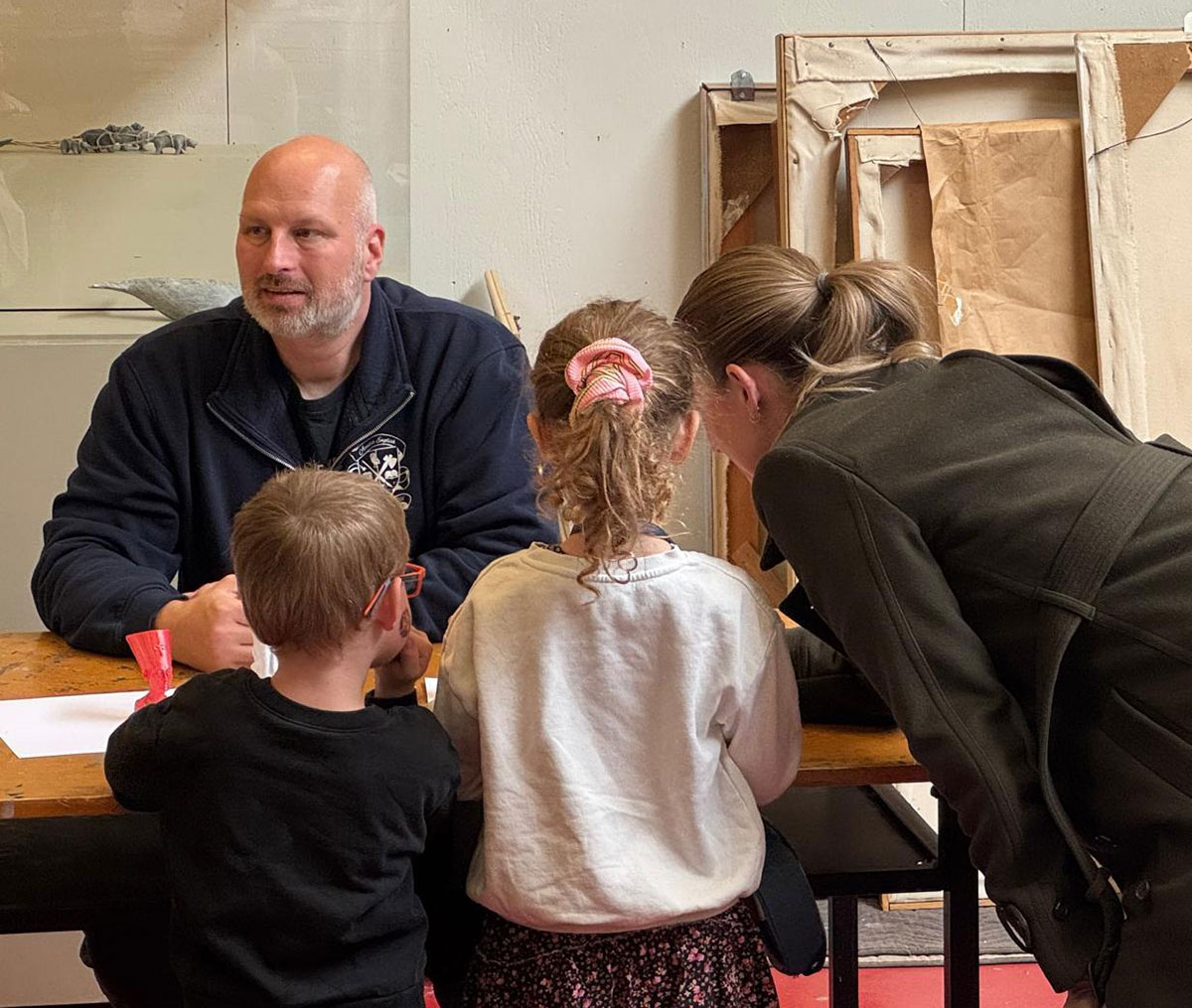
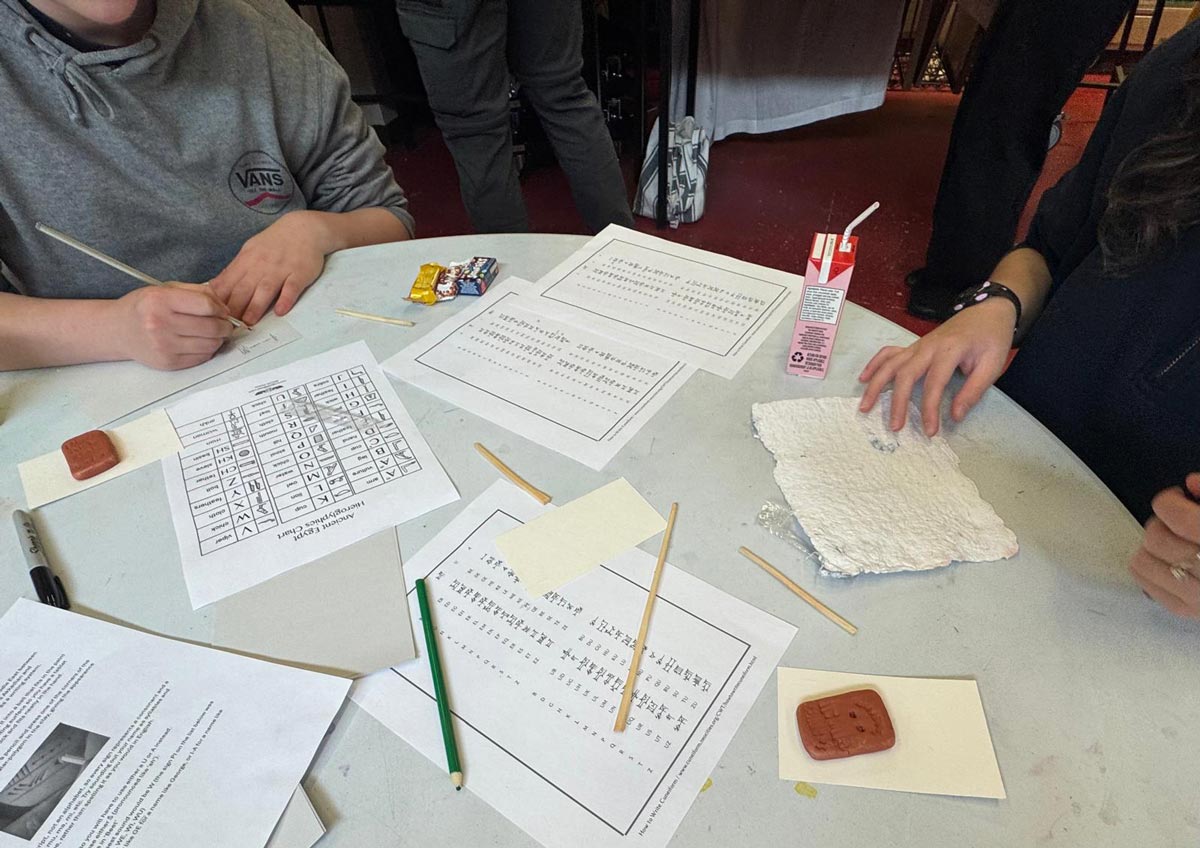
Over at the Acadia Art Gallery with Dr. Laurie Dalton, visitors of all ages got to create their very own artifacts. Options included a “make your own cuneiform tablet” activity, write your name in ancient Greek and in Middle Egyptian (hieroglyphics!), handling 3D printed replicas of historical artifacts like cylinder seals, and a demo of how 3D models are made.
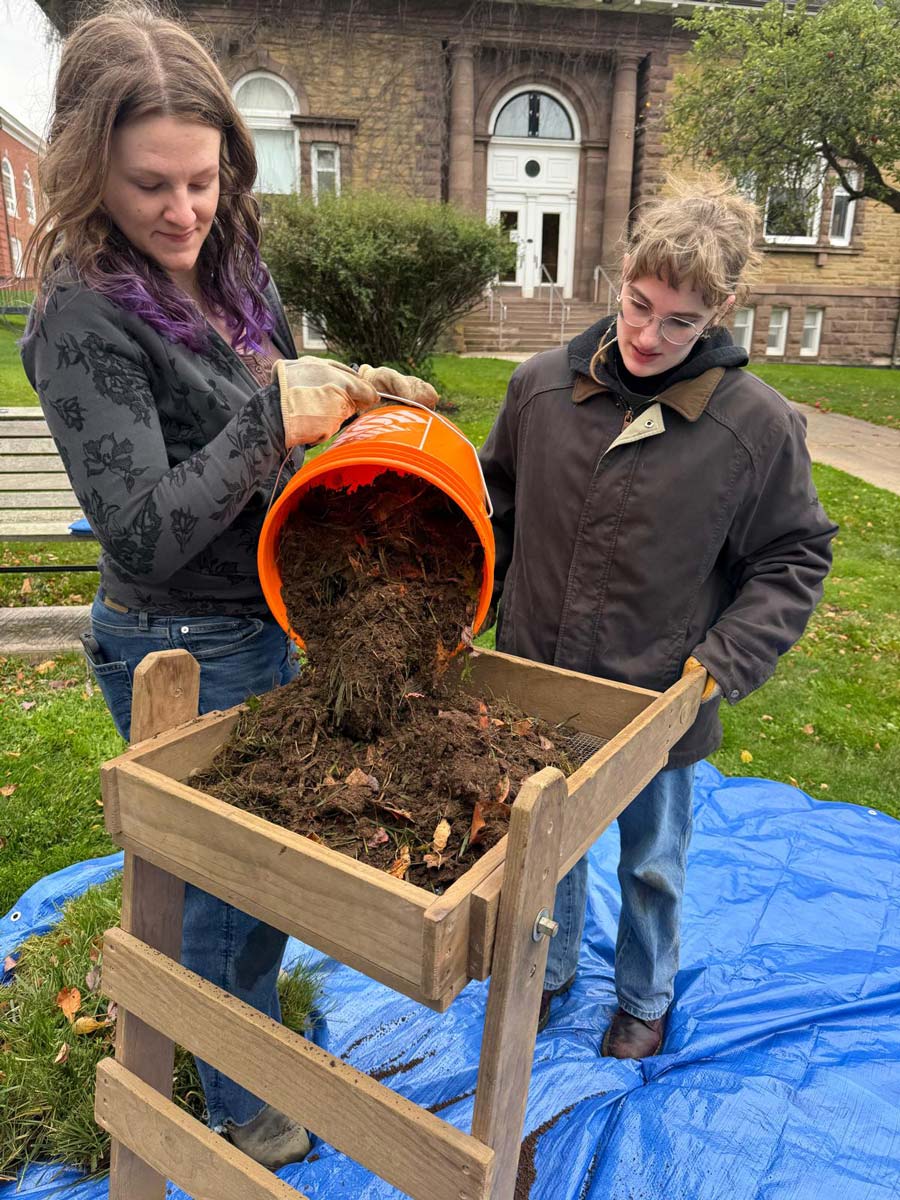
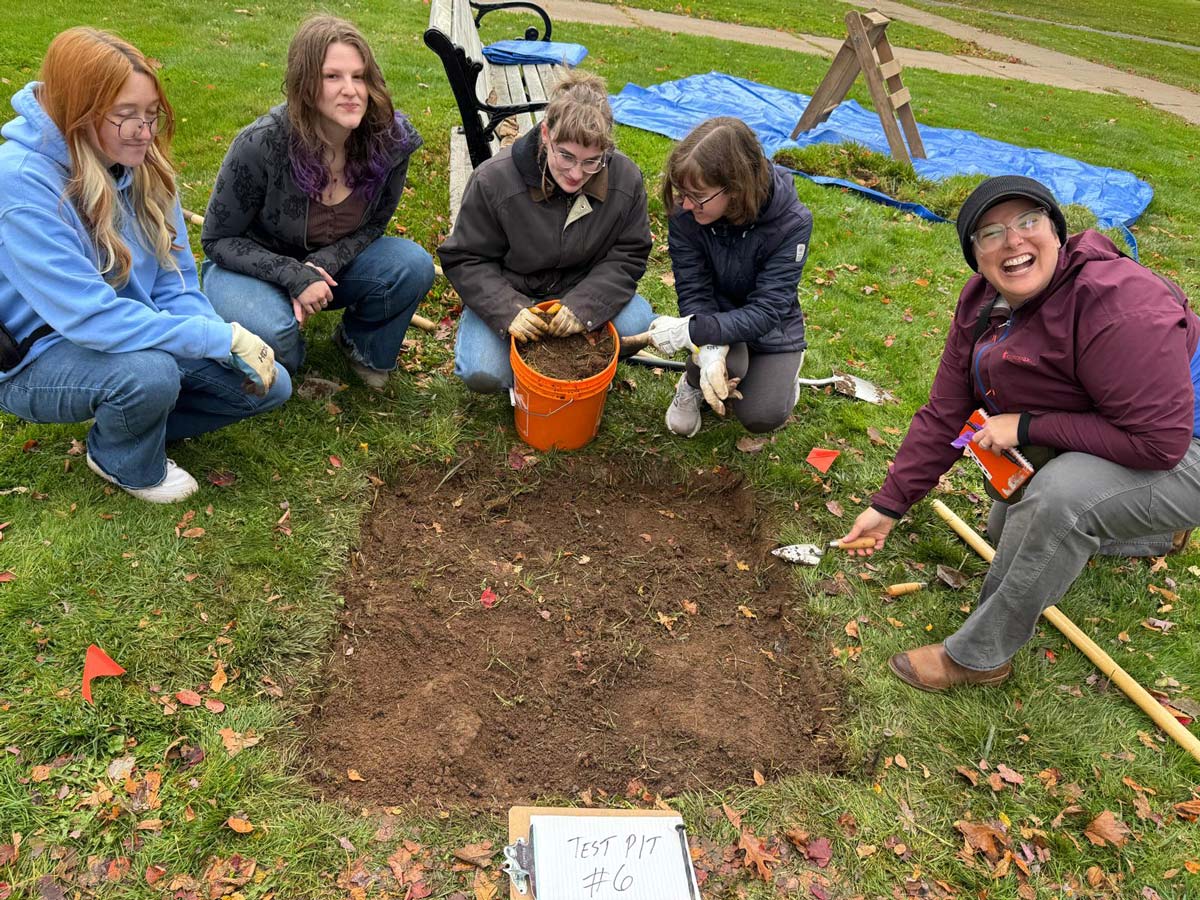
The showstopper of the day was an active archeological site on campus where researchers and students are working on identifying the site of the first college hall, which burned down in 1877, as part of the Digging for Acadia project (@DiggingforAcadia). Visitors to the site got to try their hand at ground penetrating radar, led by Dr. Mo Snyder, and heard about the archival evidence for the project, shared by Wendy Robicheau.
A big thank you goes out to all the student volunteers who made this event possible, and all the archaeology enthusiasts who attended!
Stay tuned for more stories on Digging for Acadia, coming soon!
Gallery