
Blowing away the competition: Acadia engineering students tie for first place in offshore wind competition
If you’ve ever been out on the open sea, tossed around on waves the size of a house, you know just how powerful ocean winds can get. And with that wind comes a lot of potential energy that we can use to power our cities.
One challenge with harnessing the power of wind on the ocean is addressing the accompanying gnarly waves that make it difficult to keep energy-generating turbines afloat.
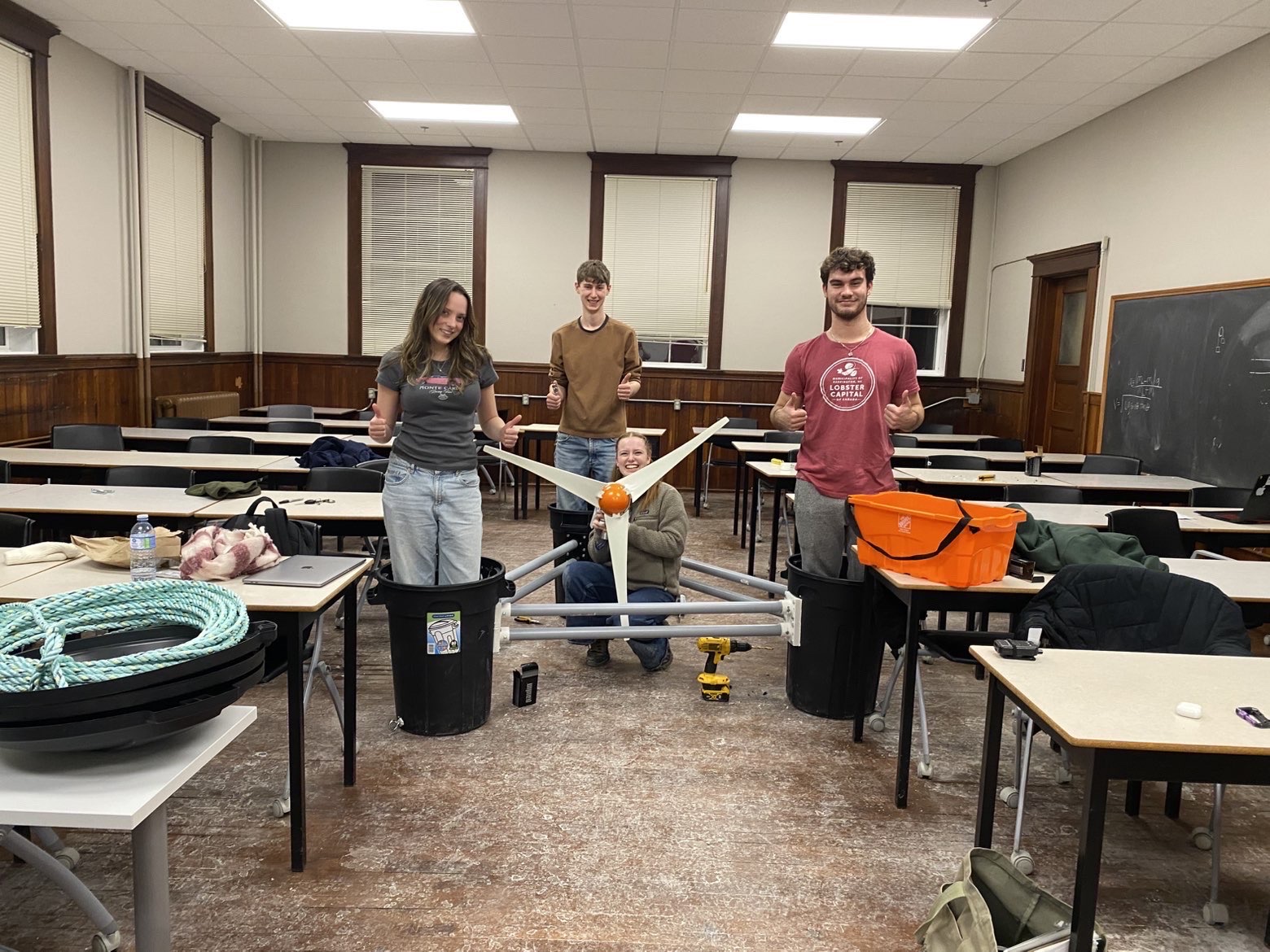
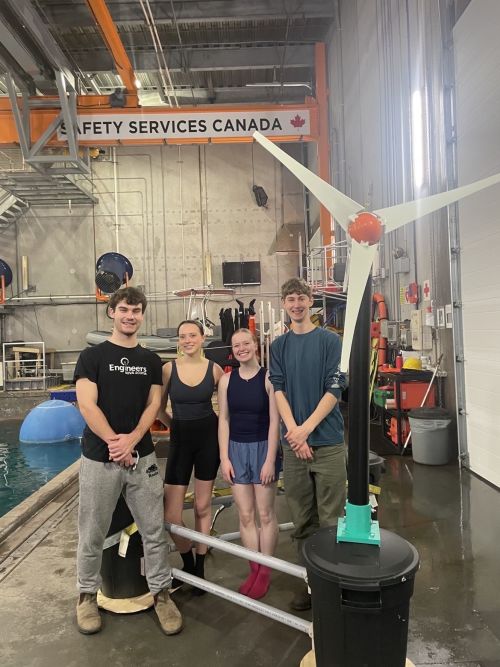
This year, a team of Acadia engineering students took a swing at the issue by creating a floating platform for an offshore wind turbine in the Floating Wind Challenge. The competition, presented by COVE in partnership with OffshoreWind4Kids, the RBC Foundation and the Nova Scotia Departments of Natural Resources and Energy, invites groups of post-secondary students from across Canada to design and build a floating support structure for the Vevor 500W Turbine.
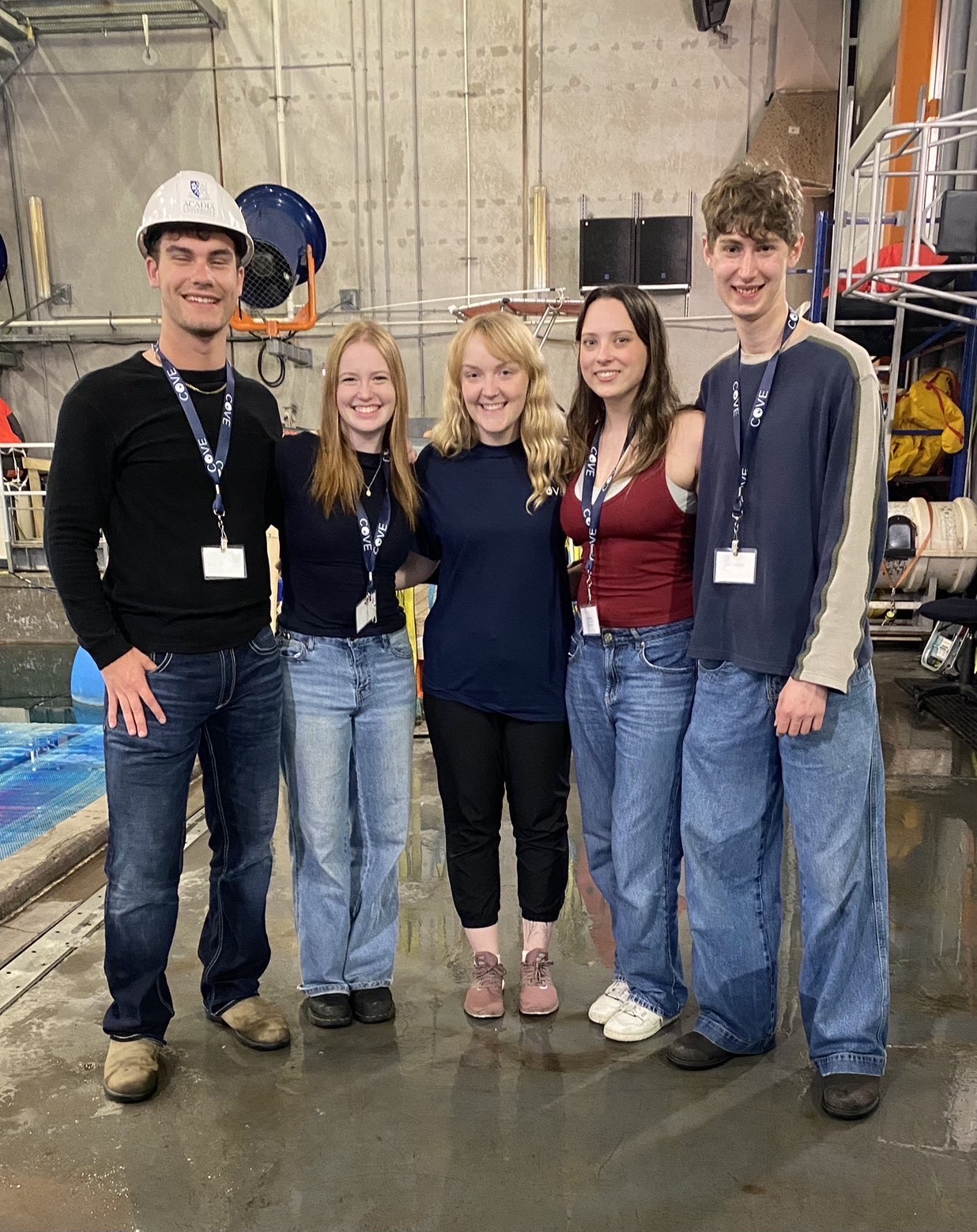
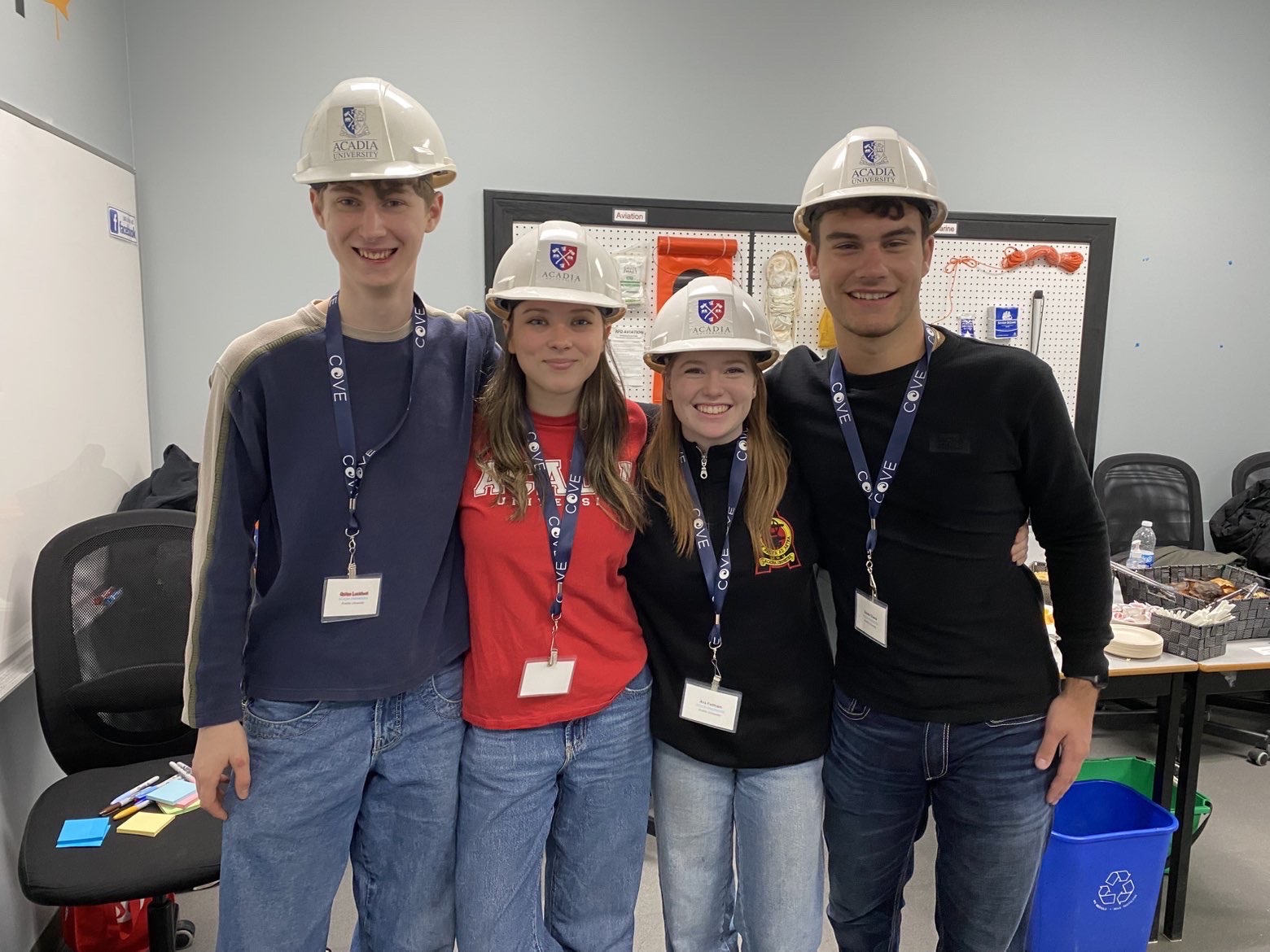
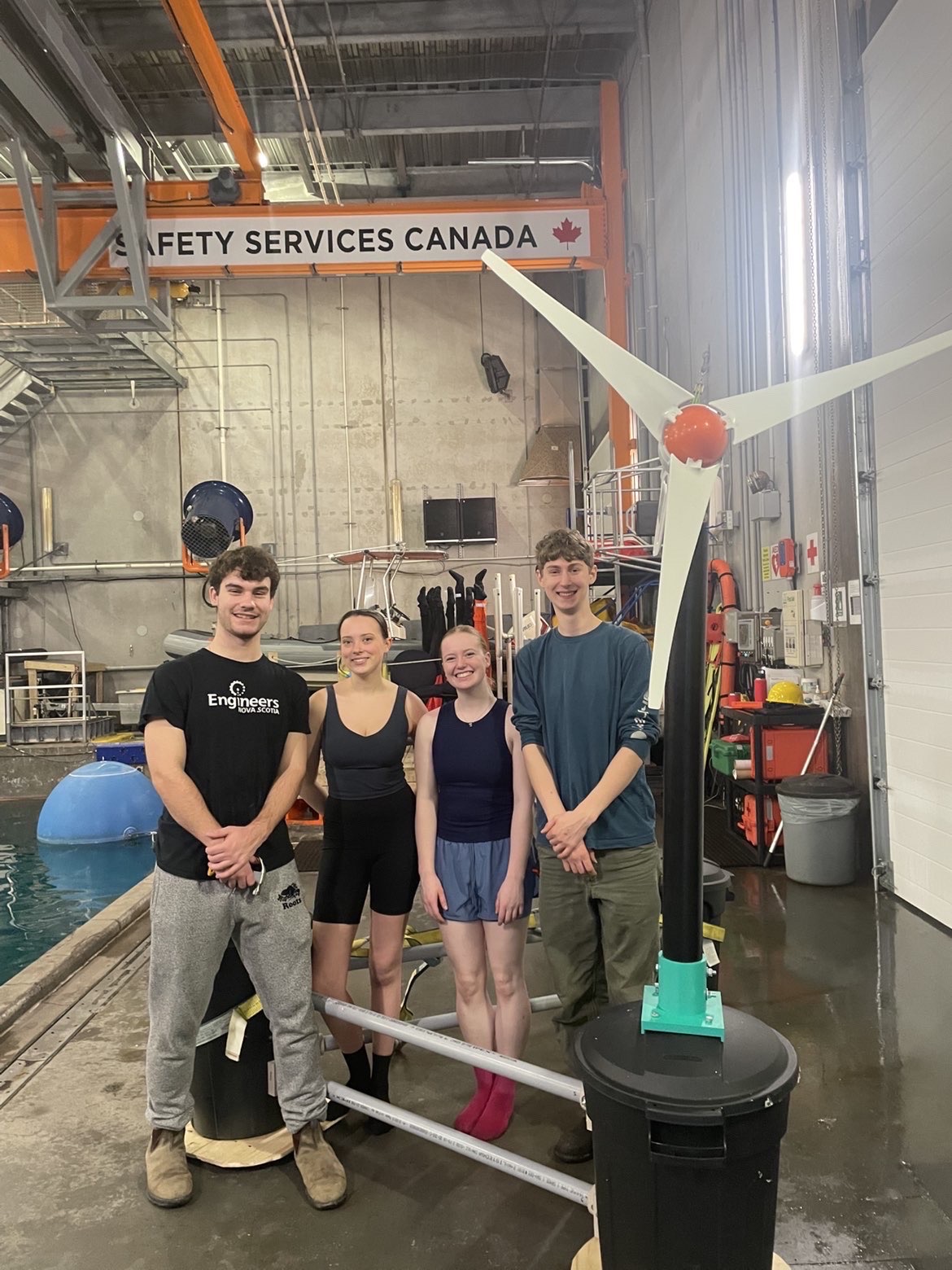
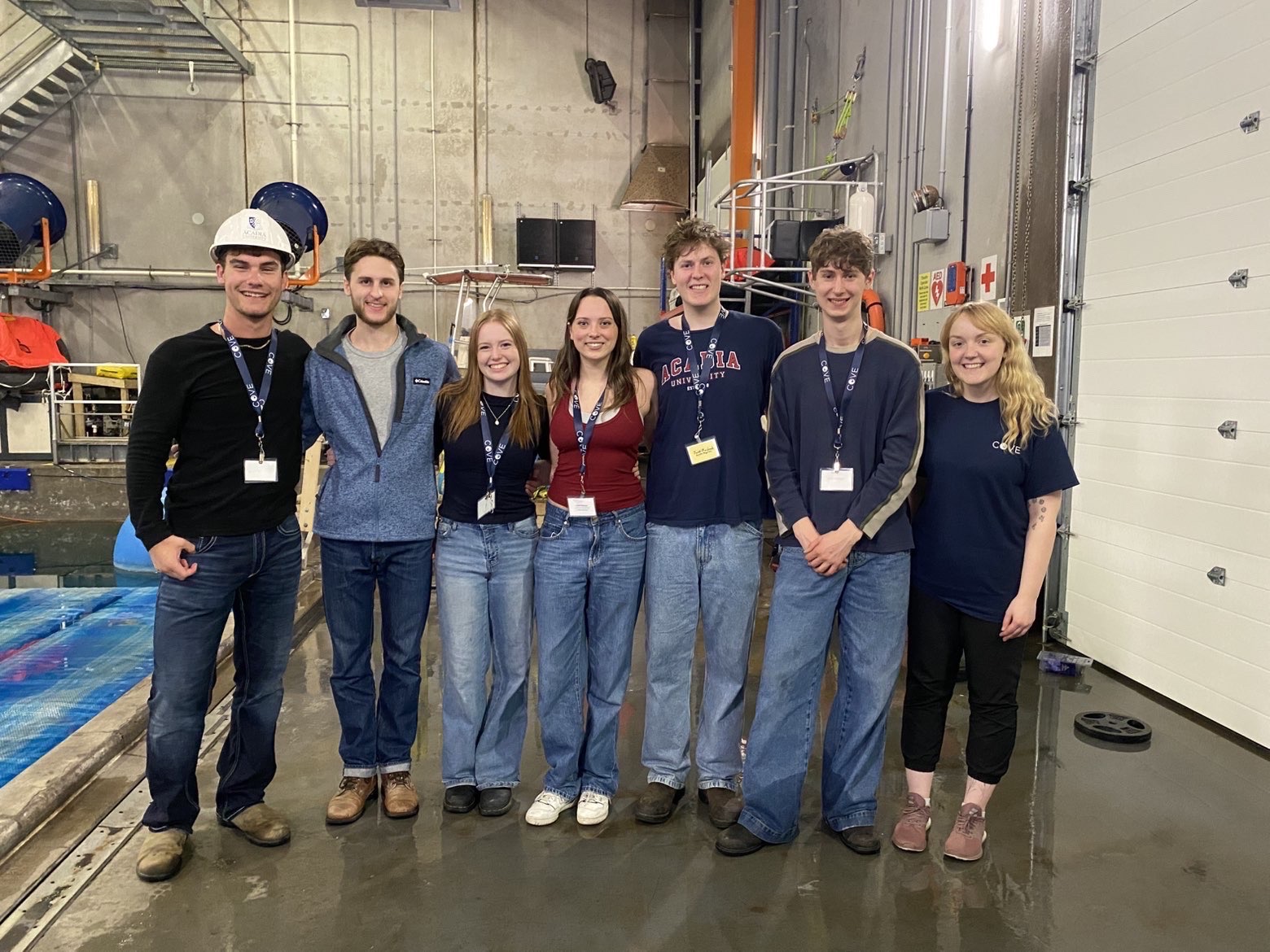
The Acadia Engineers team, Katie Penney, Ava Feltham, Quinn Lockhart, and Quade Shand, are third-year engineering students going into study fields of industrial, environmental, electrical, and mechanical engineering, respectively.
They were the first Acadia students to enter the competition in its four-year history, and tied for first place in the competition. Ultimately, after further deliberation the NSCC team ended up moving forward to the international competition, so Acadia came away with the runner up spot.
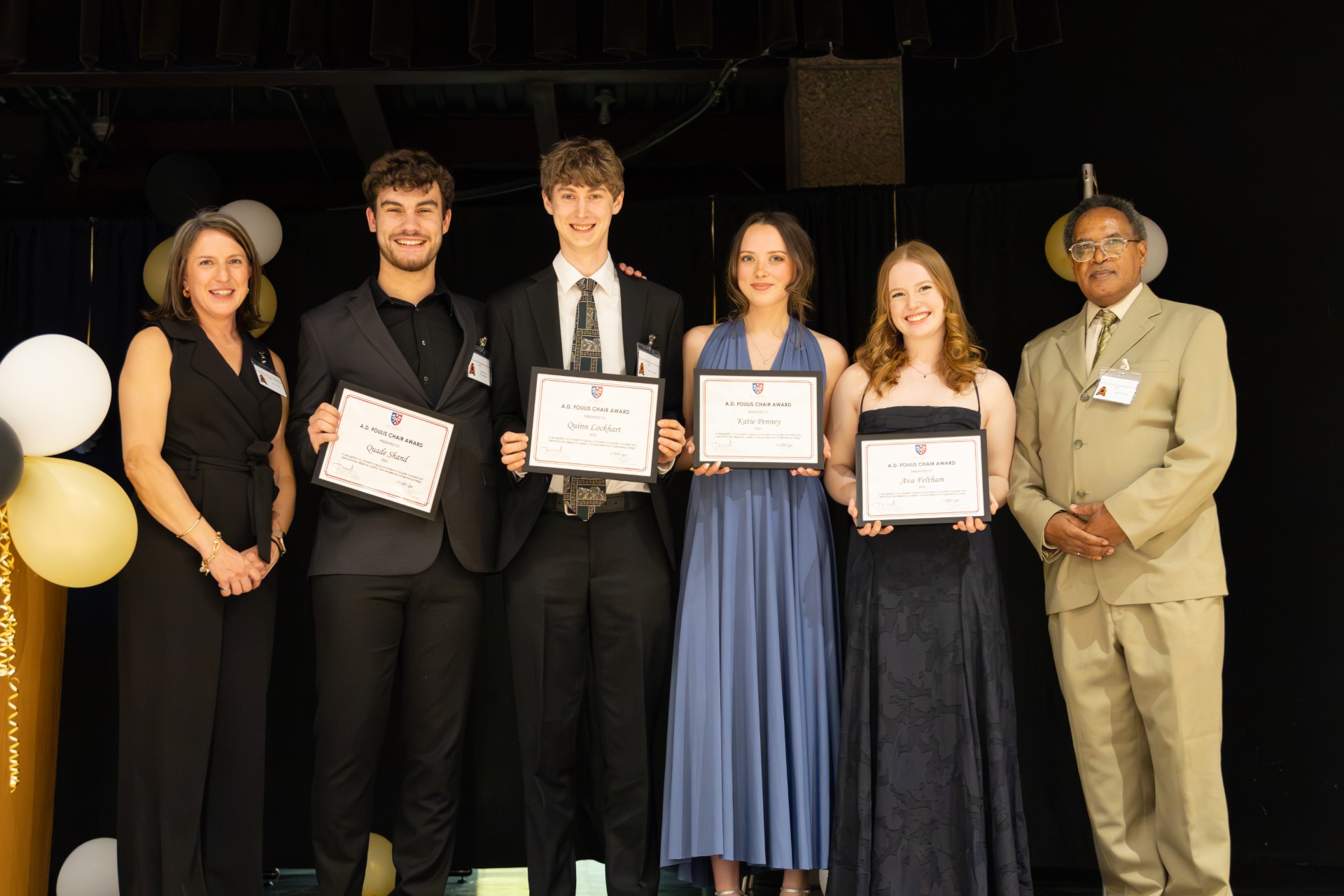
In addition to the runner up spot, the team also took home the A.D. Foulis Design Award in Engineering at Acadia’s 56th Annual Engineering Banquet.
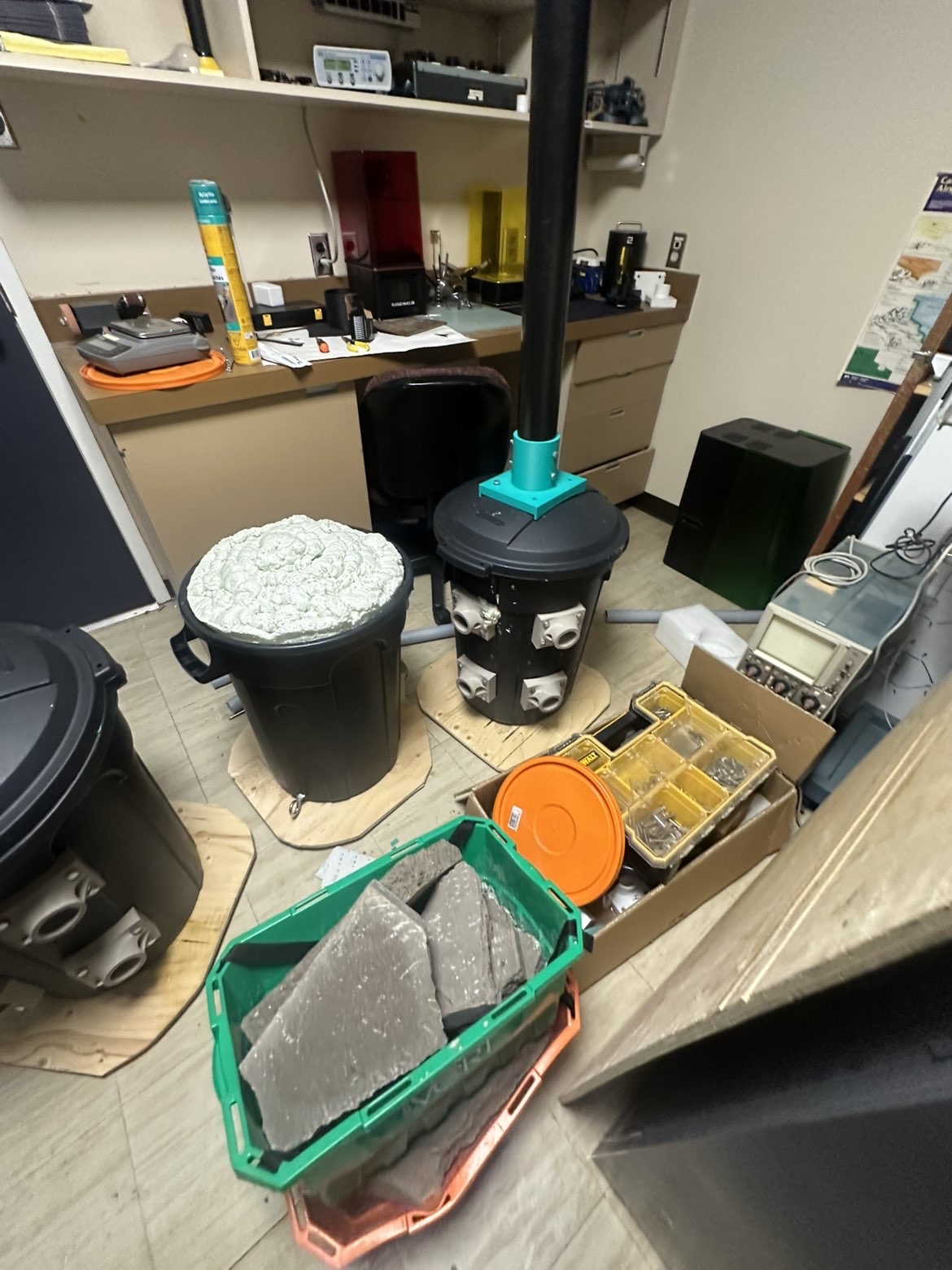
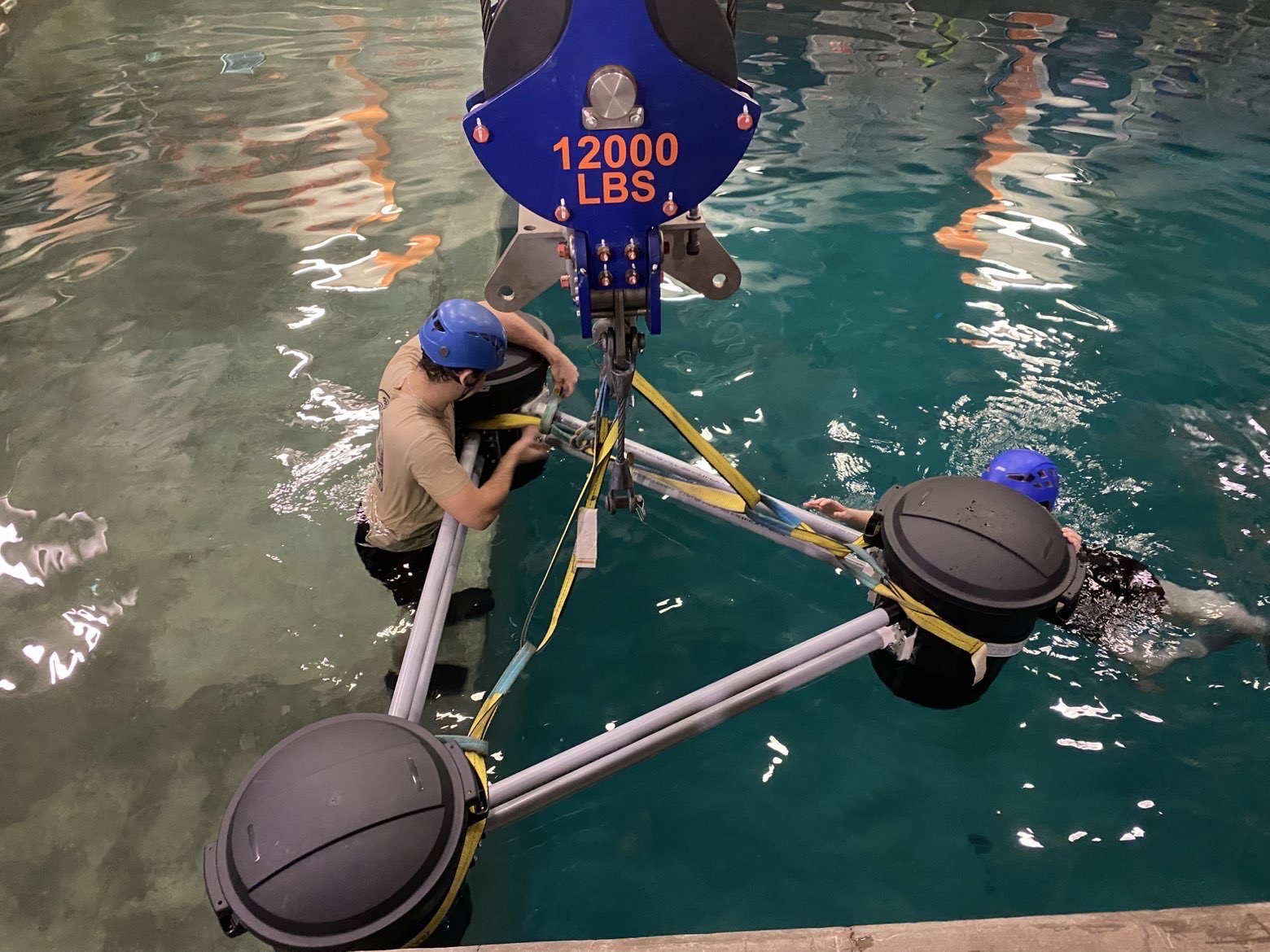
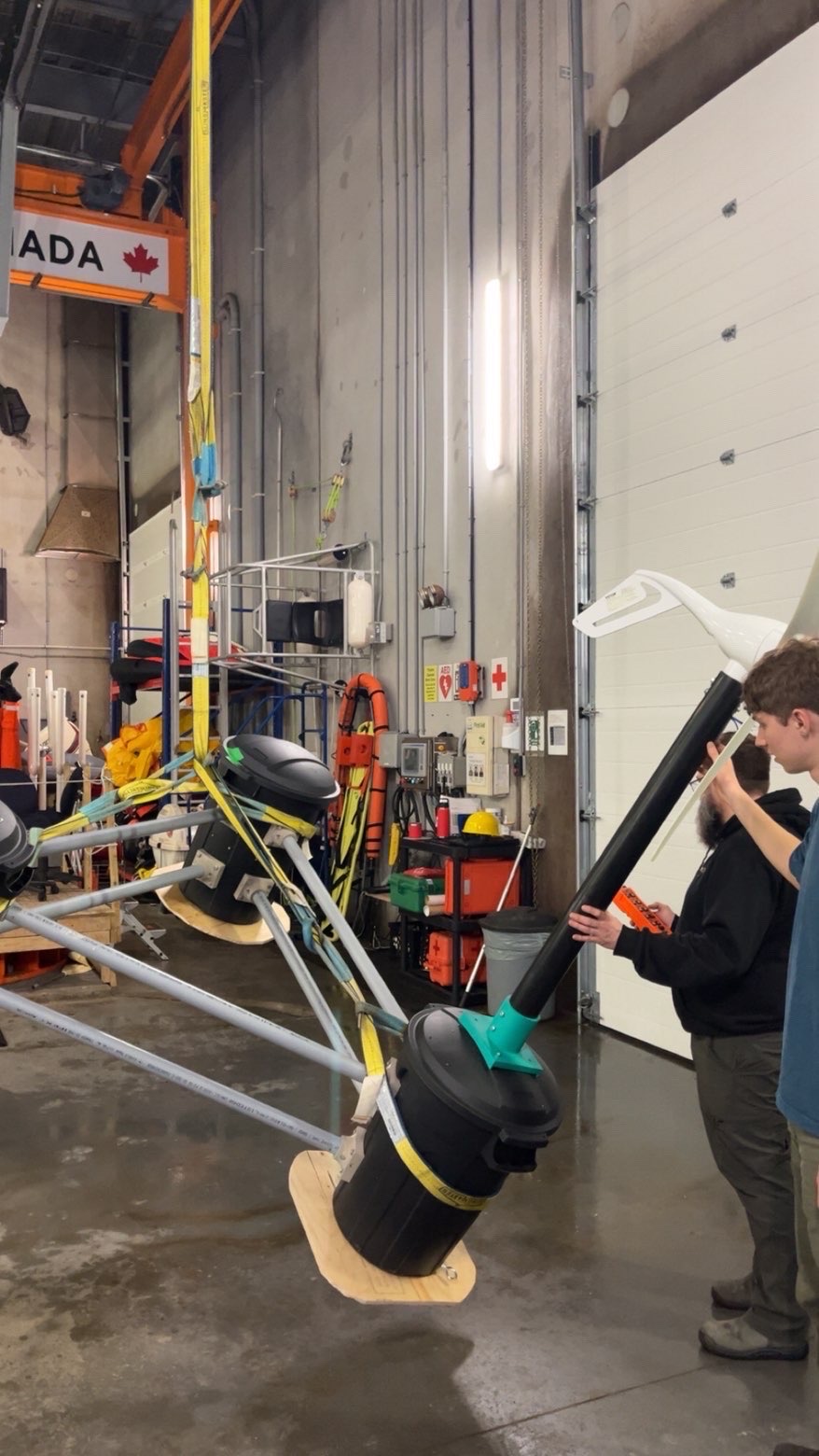
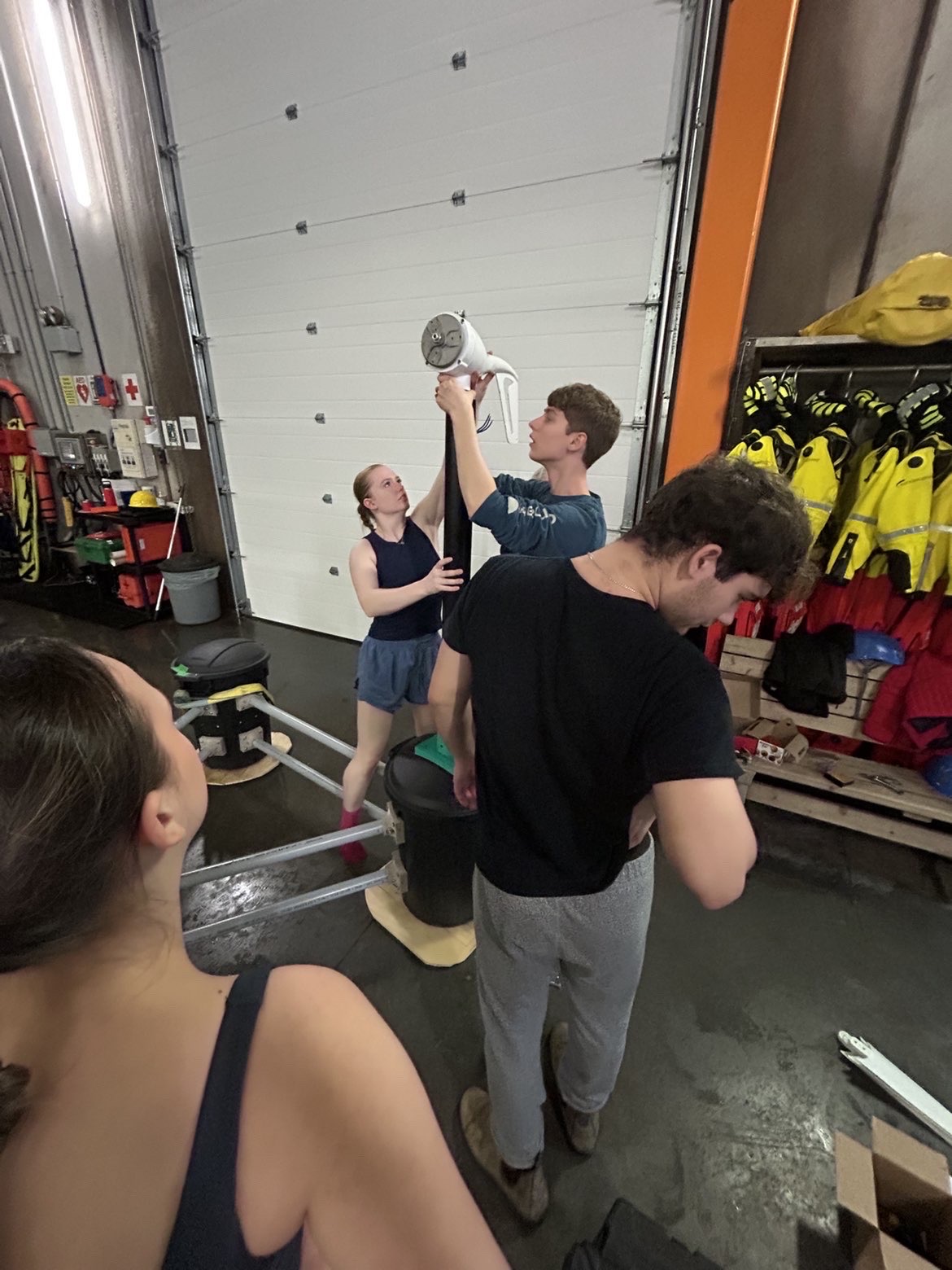
The design Acadia’s team settled on used a ballast system with a triangular, semi-submersible floating platform and dynamic mooring. Essentially, the design provides structural stability in inconsistent sea conditions while maintaining consistent energy production. They also designed it with modular components, making it easy to transport and deploy.
“This turbine was built with a handsaw, a drill, and a dream,” says Ava. “We failed, we learned, we redesigned, and through this trial-and-error process, we were able to tie for first place with a team that had an outstanding design – a result far beyond what we had hoped for.”
From theory to practice
Even though it was their first time doing a project like this, the Acadia Engineers were well equipped to take it on. The team credits courses like fluid mechanics and strength of materials for giving them what they needed to create a first-place product. Ava adds that they also had an amazing support network of professors checking in on them and encouraging them.
Taking those learnings from the classroom was fulfilling, says Ava. “As aspiring engineers, getting real-world experience is always beneficial, and being able to problem solve in real time and push past learning curves in our testing phases was a great way to push our critical thinking skills as well as apply concepts we had only ever before used in written problems.”
Strong winds and soft skills
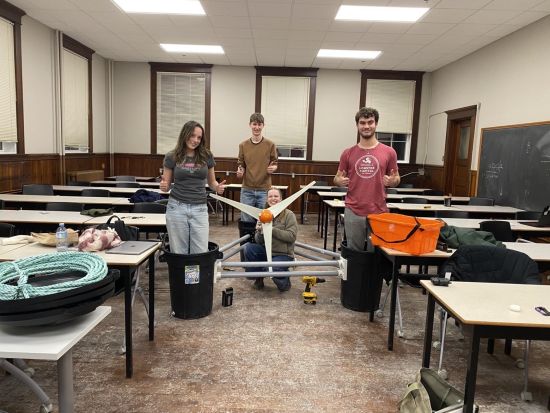
In addition to giving them the technical skills to be successful engineers, the competition taught the team skills that can only come from tackling a real problem with real people.
“Our team’s ability to apply new ideas to our turbine improved the more we worked together and was the reason we were able to produce an end design we were proud of,” says Quade. “These teamwork skills will be highly valuable in my future endeavours, as effective collaboration is essential in the engineering profession.”
“I believe that the skills I developed in this challenge will help me be a more well-rounded individual,” adds Ava. “We had to do a lot of thinking creatively and working around constraints (both from the competition itself and from our own personal limitations). It taught me better time management skills, having to balance another extracurricular on top of classes and everything else our team does outside of school hours.”
Engineers just wanna have fun
While the Acadia Engineers will be moving on after they graduate this May, Ava says she’s hoping the team paved the way for future Acadia students to try their hand at the Floating Wind Challenge. And that they’ll see that even though the work was hard, it was well worth it. Yes, for the things they learned, and for the fun they had doing it.
“We had so much fun the whole time, and our evenings were full of puzzling out problems and a lot of laughter,” says Ava.
“I love my friends and I couldn’t have asked for a better crew of people to go into this competition with. I am so proud of them and everything we were able to accomplish!”
Gallery