
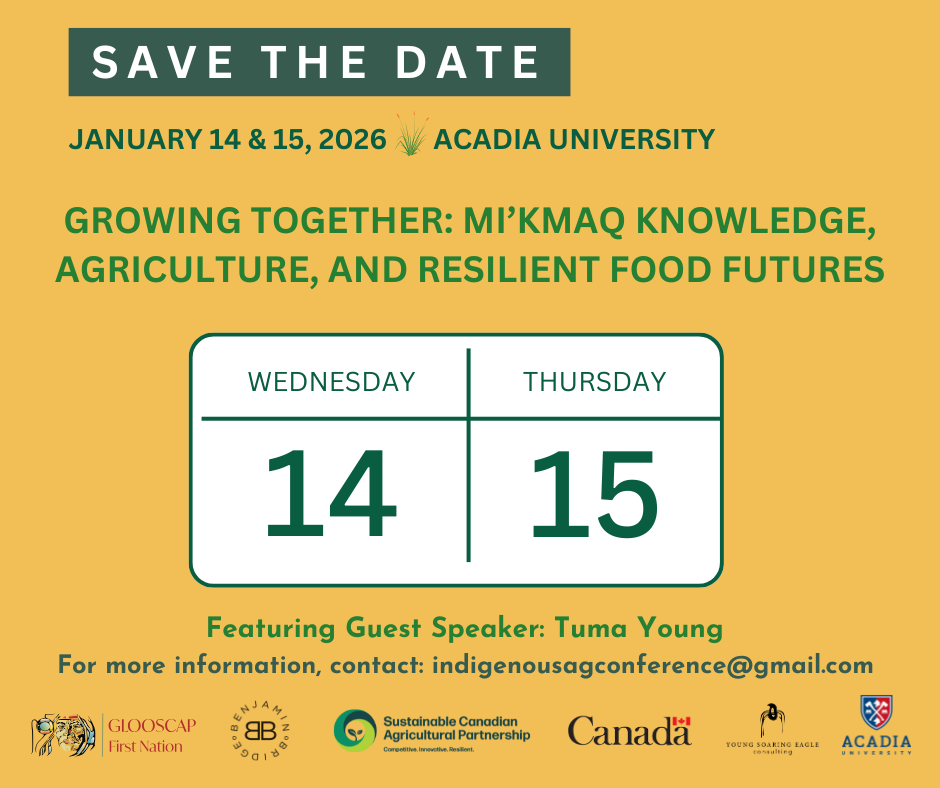
We’re bringing together Mi’kmaq experts, growers, knowledge holders, partners in agriculture, and allies in government and academia — people who care deeply about how we grow, share, and honour the food that sustains us.
It’s a space to learn together, to listen deeply, to name what’s missing and what’s already growing. It’s for sharing stories, building relationships, and imagining what Mi’kmaq-led, community-rooted, sustainable food futures could look like.
This won’t be a typical conference. It’s designed as an ideas-and-action gathering, with space for:
- Relationship building across Mi’kmaq, academics, and the agriculture industry.
- Learning and unlearning to build the conditions for action-oriented partnerships.
- Concrete next steps that integrate Indigenous worldview and shared priorities.
Over these two days, you can expect:
- Stories from the ground about real partnerships between Mi’kmaq communities and the agricultural sector, including what’s worked well and what still needs attention.
- Elders and knowledge keepers sharing perspectives on Indigenous ecological knowledge and its contributions to food systems, land stewardship, and climate resilience.
- Conversations that matter about action, possibility, and what we might build together.
- Opportunities to connect with others across sectors and communities, and to explore potential partnerships and projects.
- A focus on community-based and non-traditional farming, including how we grow not just food, but connection, care, and sustainability.
- A respectful space to reflect on the food system gaps that exist, especially for Mi’kmaq communities, and how we can co-create better paths forward.
- An invitation to help shape the future of agriculture in Mi’kma’ki and Nova Scotia, with Mi’kmaq expertise at the centre
Our Speaker: Tuma Young
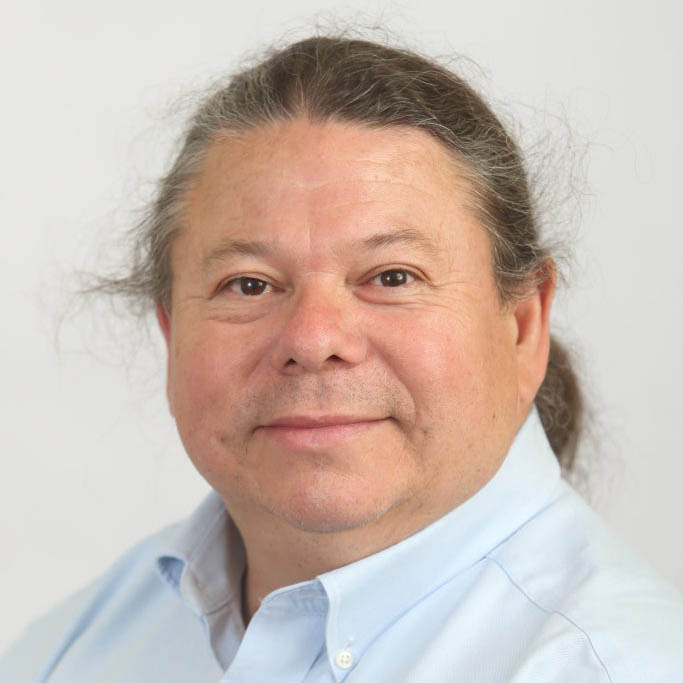
Tuma T. W. Young was born into the Atu’tuej clan for the Apli’kmuj clan and is a member of the Eskasoni First Nation. He is one of the co-founders of the Wabanaki Two Spirit Alliance (W2SA) in 2011 alongside John Sylliboy. He is the first Mi’kmaq speaking lawyer in Nova Scotia and also teaches at Cape Breton University as well as running his own private legal practice. He is also on the Executive of the Nova Scotia Barristers’ Society (NSBS).
Tuma has been working to make our L’nuk communities welcoming and to celebrate 2-Spirited people in our communities for many years.
Panelist: JB Deslauriers
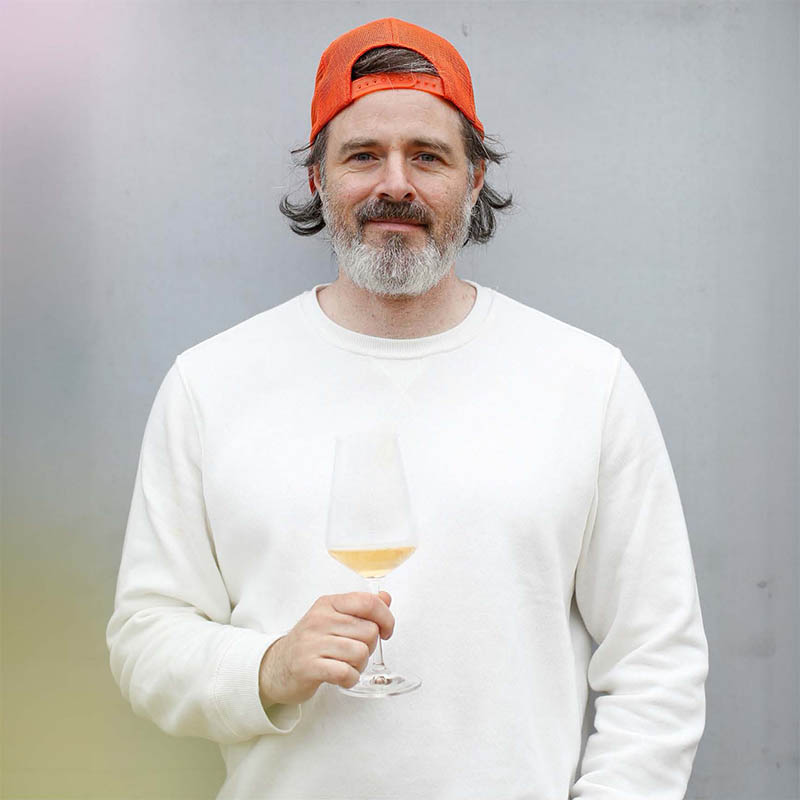
Jean-Benoit joined Benjamin Bridge in the spring of 2008 and today brings more than two decades of winemaking experience to his role. From his early work at Casa Barranca, Santa Barbara County’s first certified organic winery, to Vino Organico Emiliana, one of South America’s pioneering certified biodynamic producers, his career has been grounded in a continual practice of curiosity and learning to advance sustainability from within agricultural-based winery operations.
As he leads the creation of trailblazing, forward-looking wines and non-alcoholic innovations at Benjamin Bridge, Jean-Benoit remains focused on the ongoing evolution of wine -- as both an expression of craft and a cofactor in our broader societal evolution.
Panelist: Hannah Martin
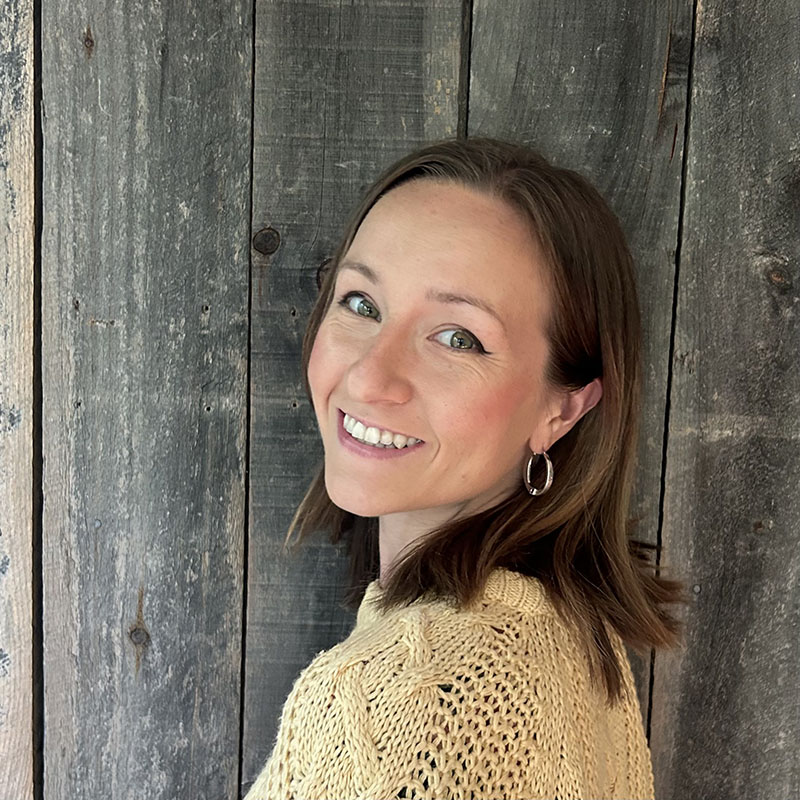
Hannah Martin is a Mi’kmaq-Scottish woman from Sikue’k (emptying harbour) and a member of the Wekope’kwitk (Millbrook) First Nation. She holds a Bachelor of Arts in Indigenous Studies from McMaster University as a Loran Scholar, a foundation on which she has built on with her work in Indigenous strategic advisory. In the summer months, Hannah runs Sikue’k Farms, a small vegetable growing operation on the north shore.
Hannah’s early childhood experiences with cultural land-based practices formed a foundation of curiosity and love for nature and the universe. From a young age, Hannah learned to pick sweetgrass from her aunts and was mentored in ash basketry from her grandmother, Jean. She observed a hunting and trapping way of life from the men in her family, which she has begun to participate in, in recent years. Throughout her life, all of these land-based practices were demonstrated to her with love, respect, intention and strong ethics for all relations. In recent years, Hannah’s interests have grown to include producing organic food and learning about the role that food plays in our wholistic wellbeing. She is passionate about working with natural materials, and holds strong her value of maintaining intentional, ethical and personal relationships to her food. Hannah’s worldview is centred in the understanding of being nature, not separate from it.
Hannah is interested in the collective healing of humanity through the re-imagination of our relationships to one another and the land. In the context of Mi’kma’ki, how do we restore healthy, self-determinant societies that honour Nation-to-Nation relationships through the principles of the Peace and Friendship Treaties in a way that is grounded in acceptance, love, sharing and belonging?
Panelist: Jordan Eyamie
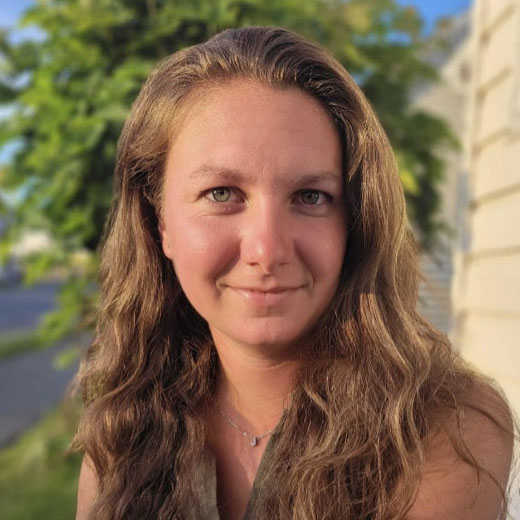
Jordan grew up on her family’s berry farm in Carleton Place, Ontario. Starting as a laborer and evolving to a supervisor and then manager, her expertise is in strawberries and raspberries. A graduate of the University of Guelph in Ontario, Jordan obtained a Bachelor’s degree in Horticulture Science and continued on to graduate with her Masters degree in Plant Agriculture in 2019.
Moving from Ontario to Nova Scotia that same year, Jordan became the inventory manager for Webster Farms Limited. She is now the Farm Manager, managing all of Webster’s crops, harvest, and production.
Panelist: Clifford Paul
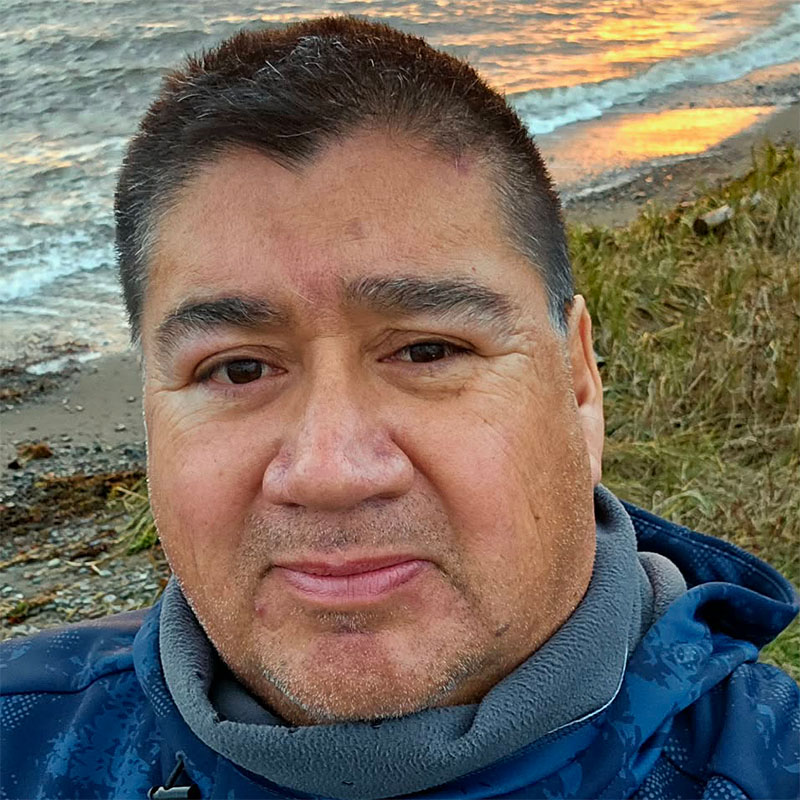
Clifford Paul hails from the Mi’kmaq District of Unama’ki where Membertou First Nation is his home. An outdoorsman for most of his life, Clifford became interested in natural resource management while being a student of the Toqwa’tu’kl Kjijitaqnn MSIT Integrated Science Program offered by Cape Breton University. A 2013 graduate of CBU, Clifford began working with the Unama’ki Institute of Natural Resources since 2005 where he took on an important role of moderating community discussions on moose management and the facilitation of Mi’kmaq-led initiatives as they pertain to moose in Unama’ki.
A strong component of Clifford’s work is in the education of students and academics alike, youth, communities, and those interested in traditional management, Two-eyed Seeing, and respect of our natural resourses. He has contributed stories and provided much input into the Mi’kmawey Debert – Mi’kmaq Resouce Education Manual – which has received the blessing and approval of the Nova Scotia Department of Education. He has spoken with thousands of people over the past ten years in the education efforts of his work, including hitting an online audience of 24,000 viewers recently with CBU’s MIKM 2701 online course Learning from the Knowledge Holders of Mi’kmaki. That gig was represented by viewers from 29 countries around the world. He has appeared in several documentaries on moose management and traditional natural resource management including APTN Investigates, OASIS TV – A Park for All Seasons, and 5 episodes of CBC Land & Sea. Clifford is locally, regionally, nationally, and internationally renowned as a Knowledge Holder and practitioner of the Two-Eyed Seeing approach to natural resource management and has recently been invited to Ghana to work with, and provide specific examples of those traditional approaches. Clifford, as well, has provided input and direction for the Canada Water Network’s indigenous approaches to water protection in Canada.
Conference Convenor and Panel Moderator: Zabrina Whitman

Zabrina holds an honour bachelor’s degree in social sciences from the University of Ottawa in political science and Aboriginal studies, and a Master of Arts degree from Queen’s University in global development studies.
Zabrina is the Executive Advisor of L’nu Affairs and Indigenization at Acadia University and is the founder of Young Soaring Eagle Consulting. YSE works with clients across Canada in a variety of areas and sectors. Zabrina is also the vice-chair of the Indigenous Stewardship Circle, which provides ongoing advice to senior leadership at Park’s Canada in policy development and renewal specific to Indigenous stewardship across Canada. Previously, Zabrina worked as the senior policy analyst for the Assembly of Nova Scotia Mi’kmaw Chiefs at the Kwilmu’kw Maw-klusaqn Negotiation Office. She was the lead on all identity-based issues including a process identifying who is a Mi’kmaq Rights-holder in Nova Scotia, and provided technical support for parks, intergovernmental affairs, gaming, and other negotiation and governance related issues. Before moving back to Nova Scotia, Zabrina worked in places like Egypt and New York, and has worked for agencies like the United Nations, Foreign Affairs Canada, USAid, and Indigenous Affairs and Northern Development Canada. She has worked on topics ranging from First Nation education partnerships, to good governance, intergovernmental affairs, and international security and political stability.
In her personal time, Zabrina facilitates youth initiatives and activities for the Mi’kmaq in Nova Scotia and provides strategic advice to both the private and public sector, including Benjamin Bridge winery, Glooscap First Nation and the Devour! Food Film Festival.
Facilitator: Tim Merry
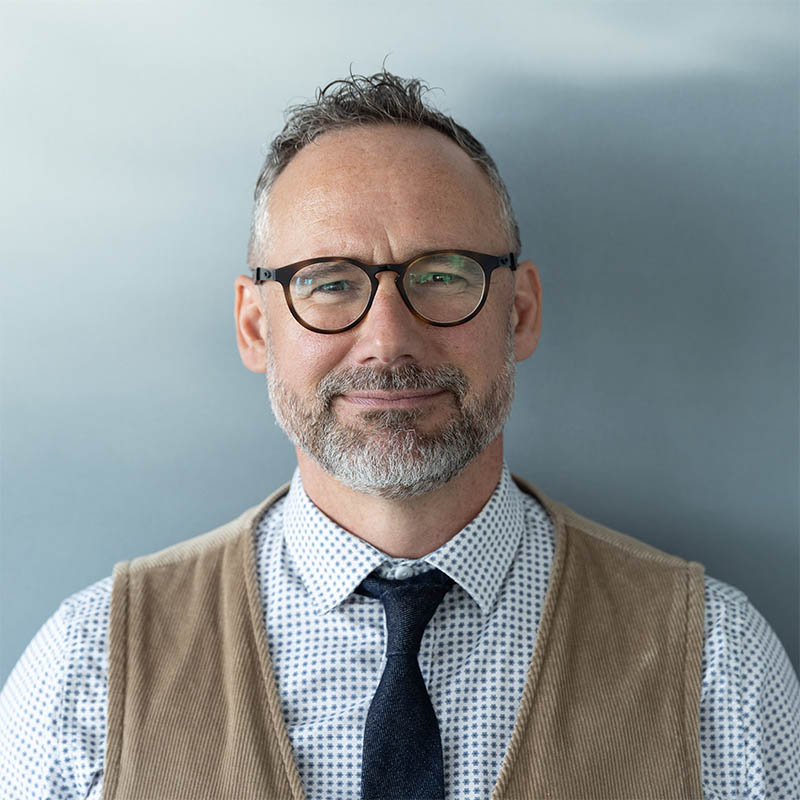
Founder of The Outside, Tim is an engagement specialist and systems change strategist who works with organizations from all over the world to lead breakthrough change. For over 25 years Tim has helped major international businesses, government agencies, local communities and regional collaboratives to create the conditions for people to organize together and solve their own problems. Tim founded The Outside with Tuesday Rivera in 2018, and together they have built a remarkable team to spark systems change towards greater equity. Tim is one of the co-founders of the Art of Hosting, has been a supporter and board member of the Berkana Institute and is a co-founder of Mahone Bay United Soccer Association.
Facilitator: Gabrielle Donnelly
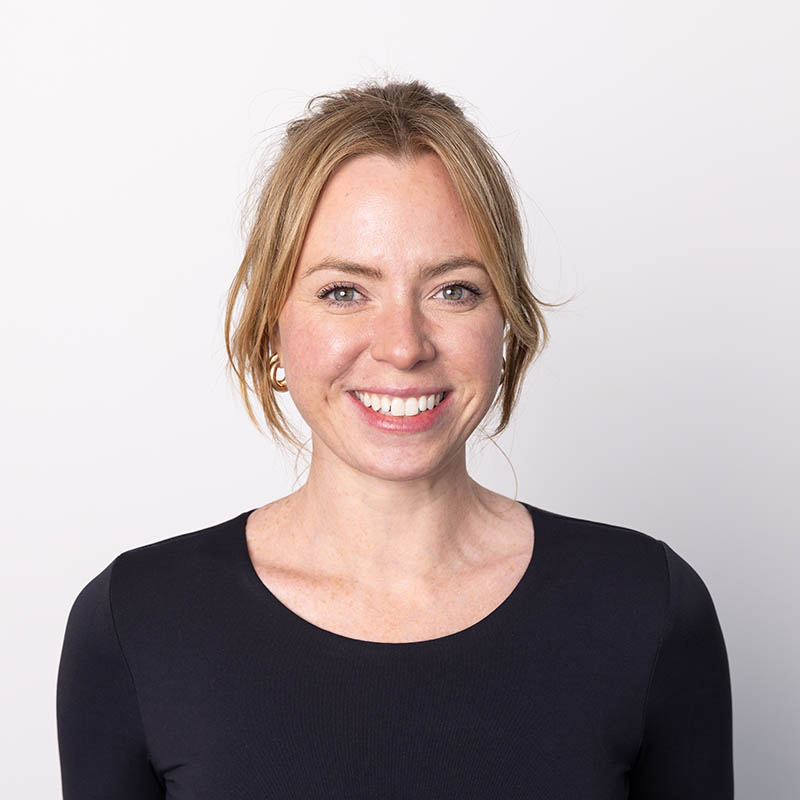
Dr. Gabrielle Donnelly is an educator and scholar-practitioner. Her work focuses on bridging social change theories and practices to support leaders and communities to engage with the complex issues of our times and create more compelling futures.
Gabrielle is Associate Professor of Community Development at Acadia University and a Lead Strategist at The Outside. She is also the Consulting Editor with World Futures: The Journal of New Paradigm Research.
Contact Information
For all inquires, including registration and/or requesting an invite, please e-mail:
indigenousagconference@gmail.comOur Sponsors